Chile’s Lesson for India’s Coal Conundrum
Context : Chile’s experience offers a compelling case study in Just Energy Transition (JET). A decade ago, nearly 40% of Chile’s electricity came from coal, yet the country has embarked on an accelerated coal phase-out, aiming for a complete exit by 2040—with efforts underway to fast-track this timeline. As India continues to rely on coal for over 50% of its power generation while pursuing its Net Zero target by 2070, Chile’s Just Energy Transition(JET) framework highlights how emissions reduction can be balanced with social equity and economic stability.
I. Key Components of Chile’s Just Energy Transition (JET) Strategy
Chile’s success lies in adopting a coordinated, system-wide approach to Just Energy Transition (JET) rather than isolated plant shutdowns.
1. Public–Private Pacts
The cornerstone of Chile’s coal phase-out is a voluntary public–private agreement with major thermal power producers. This pact established a predictable schedule for plant closures or reconversion, reducing uncertainty while ensuring private sector cooperation—an essential principle of Just Energy Transition (JET) governance.
2. Accelerated and Credible Timelines
Chile initially targeted coal exit by 2040 but has repeatedly advanced its timelines. This consistent acceleration signals long-term political commitment, strengthens investor confidence, and enables early planning for workforce and regional transitions under the JET framework.
3. Infrastructure Repurposing to Prevent Stranded Assets
Instead of abandoning coal assets, Chile is repurposing existing infrastructure—such as transmission lines, substations, and plant sites—into Battery Energy Storage Systems (BESS), synchronous condensers, and even green hydrogen facilities. This approach reduces stranded asset risk while ensuring grid stability, a core requirement for Just Energy Transition (JET)
4. Socio-Ecological Just Energy Transition
A defining feature of Chile’s model is its emphasis on social dialogue. Workers, trade unions, and local communities are involved from the outset. Measures include reskilling and upskilling programmes, early retirement schemes, and the creation of green jobs in renewable energy and allied sectors—ensuring the transition is socially inclusive and just.
II. India’s Coal Transition Challenges Through the Lens of Just Energy Transition (JET)
India’s coal transition is significantly more complex than Chile’s, primarily due to scale and developmental imperatives.
1. Scale of Coal Dependency
Coal remains the backbone of India’s power system, supplying over half of total electricity and supporting industrial growth. A Just Energy Transition (JET) for India must therefore be gradual, adaptive, and region-specific.
2. High Risk of Stranded Assets
India’s coal fleet is relatively young, with massive financial investments already sunk into generation and mining infrastructure. A rapid exit without a JET-aligned decarbonisation roadmap could trigger financial stress across public sector banks and state utilities.
3. Grid Stability Constraints
Coal provides critical baseload power and inertia to India’s grid. Replacing it with intermittent solar and wind requires large-scale deployment of BESS, pumped hydro storage, and grid modernisation—making system-level planning essential for a credible Just Energy Transition (JET)
4. Social Scale of Just Transition
An estimated 10–15 million livelihoods are directly or indirectly linked to India’s coal economy. Ensuring reskilling, alternative employment, and regional diversification at this scale represents one of the greatest challenges to implementing Just Energy Transition (JET) in India.
III. Lessons for India’s Energy Roadmap
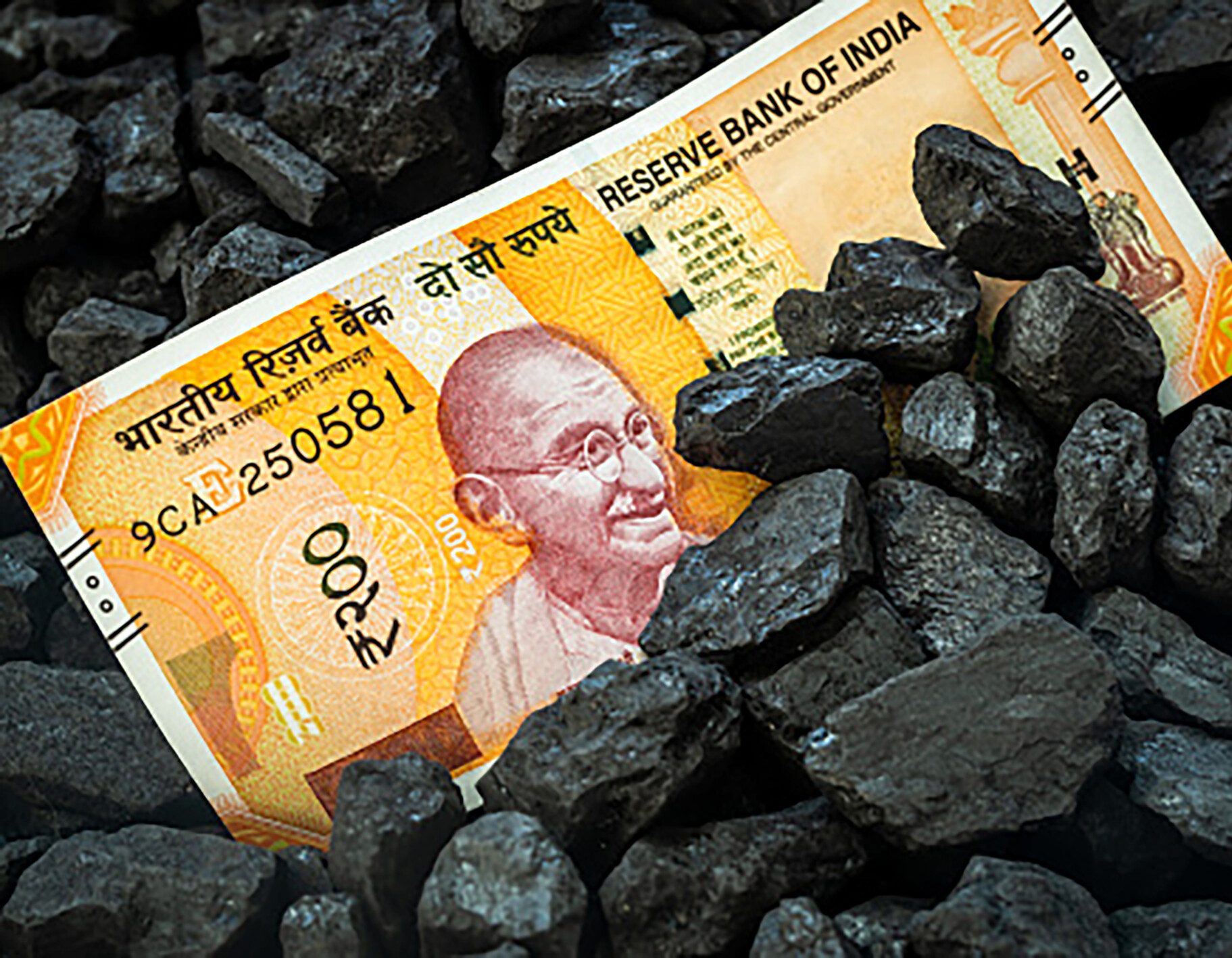
Chile’s model provides several critical lessons for India to manage its coal dependence while aggressively pursuing its 500 GW non-fossil fuel capacity by 2030 target:
Chile’s approach offers concrete lessons for shaping India’s Just Energy Transition (JET). Central to the Chilean strategy is strong public–private consensus, which India can emulate by developing a clear, long-term national roadmap for the phased retirement of old and inefficient coal plants. Such a roadmap should be backed by formal agreements with state-owned utilities like NTPC and major private power producers to ensure predictability, policy credibility, and investor confidence within the JET framework.
Another critical takeaway lies in asset reconversion. Chile’s practice of repurposing retired coal plant sites for battery energy storage systems and emerging technologies such as green hydrogen is highly relevant for India.
Applying this model would allow India’s Just Energy Transition (JET) to maximise the use of existing land, transmission corridors, and grid infrastructure, while minimising stranded assets and reducing transition costs.
Finally, regulatory adaptation is essential to support a renewable-heavy power system under India’s Just Energy Transition (JET) Power sector regulations must prioritise grid flexibility, strengthened transmission networks, and incentives that encourage coal plants to shift from rigid baseload operations to flexible peaking roles. Such reforms would enable coal plants to ramp up generation when solar and wind output is low, ensuring grid stability while progressively reducing coal dependence.
Conclusion
Chile’s coal phase-out demonstrates that Just Energy Transition (JET)is not merely about shutting down coal plants but about synchronising technological change with social justice and system reliability. For India, adopting a JET-based approach—focused on phased timelines, asset repurposing, grid resilience, and worker-centric policies—will be crucial to achieving its Net Zero 2070 target without compromising economic growth or social stability.
Subscribe to our Youtube Channel for more Valuable Content – TheStudyias
Download the App to Subscribe to our Courses – Thestudyias
The Source’s Authority and Ownership of the Article is Claimed By THE STUDY IAS BY MANIKANT SINGH