Climate Feedback Loops: How Biodiversity Loss and Land Degradation Are Accelerating Global Warming
Climate Feedback Loops: How Biodiversity Loss and Land Degradation Are Accelerating Global Warming
Context
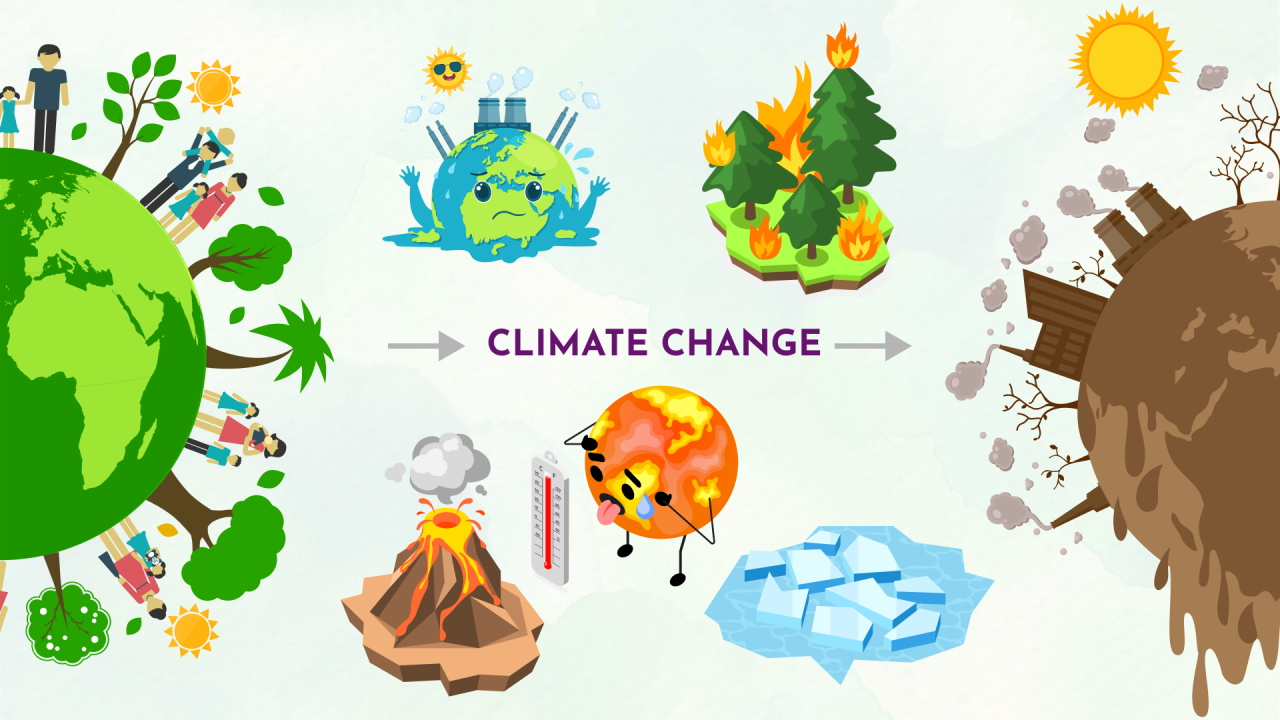
The UN Environment Programme (UNEP), in its latest Global Environment Outlook–7 (GEO-7) report, has issued a stark warning: human-driven biodiversity loss and land degradation are no longer just environmental problems—they are destabilising the climate system itself.
By weakening natural regulators like forests, soils, and ecosystems, these changes are triggering dangerous climate feedback loops that can lock the planet into irreversible warming pathways.
What Is a Climate Feedback Loop?
A climate feedback loop is a process in which a change in the climate system triggers effects that either:
-
Amplify the original change (Positive Feedback)
-
Counteract the original change (Negative Feedback)
Types of Climate Feedback Loops
-
Positive Feedback Loops:
These accelerate warming or ecological damage.
Example: Melting ice reduces surface reflectivity (albedo), causing more heat absorption and further ice melt. -
Negative Feedback Loops:
These help stabilise the climate.
Example: Increased plant growth absorbing more CO₂ from the atmosphere.
The danger lies in positive feedback loops, as they can push ecosystems beyond tipping points, after which recovery becomes extremely difficult—or impossible.
How Land Degradation and Biodiversity Loss Trigger Climate Feedback Loops
1. Carbon Cycle Disruption
Healthy forests and soils act as major carbon sinks, absorbing atmospheric CO₂. Land degradation disrupts this balance.
-
Deforestation and soil erosion release stored carbon back into the atmosphere.
-
In the Amazon rainforest, 10–47% of forest areas are now exposed to extreme heat, drought, and fires.
-
This raises the risk of the Amazon shifting from a carbon sink to a carbon source—a critical tipping point.
In 2023 alone, extreme heat caused an estimated 1.73 gigatonnes of carbon loss globally, highlighting how weakened land systems can no longer buffer climate shocks.
2. Albedo Changes: The Reflectivity Effect
Vegetation plays a key role in controlling how much solar energy Earth absorbs.
-
Loss of forest cover changes land surfaces from lighter to darker tones.
-
Darker surfaces absorb more heat, leading to positive radiative forcing and further warming.
Interestingly, in high-latitude regions, reduced deforestation can sometimes increase warming, as snow-covered open land reflects more sunlight than dark forests—showing how feedbacks can be complex and region-specific.
3. Soil Degradation and Greenhouse Gas Emissions
Soils store three times more carbon than the atmosphere, making them critical climate regulators.
-
Degraded soils emit CO₂, methane, and nitrous oxide—all potent greenhouse gases.
-
Peatland destruction in countries like Indonesia, China, and Russia accounts for nearly 31% of global peatland emissions.
-
Rice cultivation and poorly managed agricultural soils further intensify methane and nitrous oxide release.
Once soils degrade, their ability to store carbon declines, reinforcing warming in a self-perpetuating loop.
4. Ecosystem Stress and Species Shifts
Biodiversity loss disrupts carbon, nitrogen, and water cycles, weakening ecosystem resilience.
-
Invasive grasses in California’s deserts have created new fire regimes, triggering a destructive grass–fire feedback cycle.
-
In the Himalayas, species like birch trees are shifting eastwards, reflecting climate-driven redistribution that destabilises fragile mountain ecosystems.
As ecosystems lose functional diversity, they become less capable of buffering climate extremes.
5. Pollution and Atmospheric Feedbacks
Human-induced pollution further intensifies climate feedback loops.
-
Tropospheric ozone damages plant tissues, reducing biodiversity and limiting vegetation’s capacity to absorb CO₂.
-
Black carbon deposits on snow accelerate melting, exposing darker ground earlier and amplifying warming—especially in polar and Himalayan regions.
These interactions blur the boundary between air pollution, biodiversity loss, and climate change.
Why Climate Feedback Loops Matter
Climate feedback loops explain why climate change can suddenly accelerate, even without proportional increases in emissions. Once natural stabilisers fail, warming becomes self-reinforcing.
The GEO-7 report makes it clear:
Addressing climate change without restoring ecosystems and biodiversity will be insufficient.
Conclusion
Climate feedback loops reveal the deep interconnectedness of land, life, and climate. Biodiversity loss and land degradation are not side effects of climate change—they are active drivers of it.
Breaking these loops requires:
-
Ecosystem restoration
-
Sustainable land use
-
Biodiversity conservation integrated into climate policy
Without this, the planet risks crossing irreversible thresholds that no technology alone can fix.
Subscribe to our Youtube Channel for more Valuable Content – TheStudyias
Download the App to Subscribe to our Courses – Thestudyias
The Source’s Authority and Ownership of the Article is Claimed By THE STUDY IAS BY MANIKANT SINGH