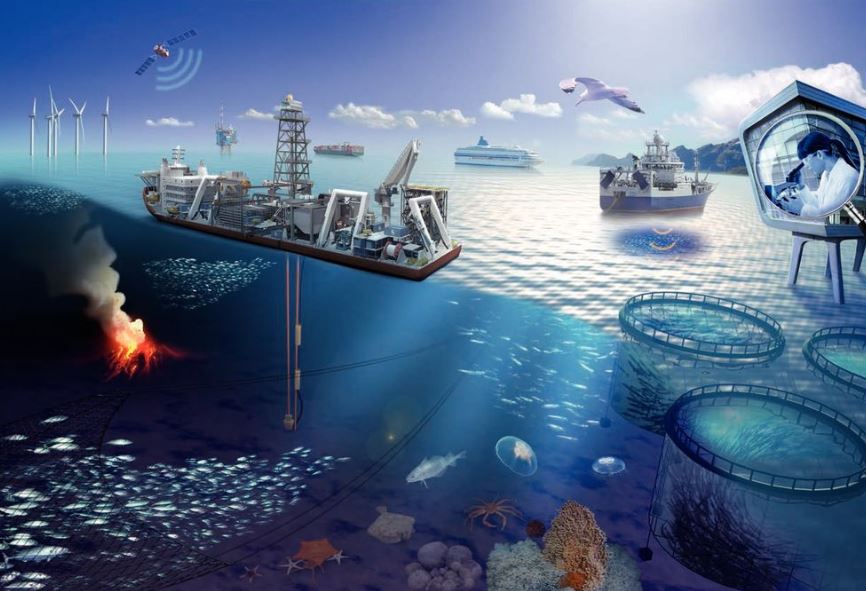
From Grey to Blue: Transforming the Ocean Economy for a Sustainable Future
Introduction: Why the Ocean Economy Needs a Rethink
The global ocean economy, often referred to as the blue economy, is at a critical crossroads. A recent global study has highlighted the urgent need to move away from a “grey” ocean economy—one driven by fossil fuel extraction, overfishing, polluting shipping, and unsustainable aquaculture—towards a regenerative and sustainable blue economy.
Oceans are not just vast water bodies; they are the backbone of global trade, climate regulation, food security, and livelihoods for billions of people. Without immediate reform, the degradation of marine ecosystems could lead to irreversible economic and environmental damage.
What Is the Ocean Economy?
The ocean economy encompasses all economic activities linked to oceans, seas, and coasts, including:
-
Fisheries and aquaculture
-
Shipping and maritime trade
-
Offshore energy (oil, gas, wind, tidal)
-
Coastal and marine tourism
-
Marine biotechnology
Globally, the ocean economy is valued at USD 2.5 trillion annually and supports the livelihoods and food security of over 3 billion people. Oceans cover nearly two-thirds of Earth’s surface, absorb greenhouse gases, regulate climate, and carry 80% of global trade.
Why a Sustainable Ocean Economy Is Essential
1. Environmental Protection
Unsustainable practices such as overfishing, seabed mining, and pollution are pushing marine ecosystems toward collapse. A sustainable blue economy protects biodiversity, strengthens carbon absorption, and restores ocean health.
2. Economic Stability
The collapse of fisheries, climate-driven disasters, and rising shipping emissions threaten long-term economic growth. A resilient ocean economy ensures stable incomes, food supply, and trade routes.
3. Social Equity
Coastal communities and small-scale fishers suffer the most from environmental degradation despite contributing the least to it. A fair blue economy ensures inclusive growth and equitable access to marine resources.
4. Climate Resilience
Oceans absorb nearly 90% of excess heat from global warming. Degraded oceans lose their buffering capacity, worsening floods, cyclones, and sea-level rise.
From Grey Economy to Blue Economy: The Path Forward
Transitioning from a grey ocean economy to a sustainable blue economy requires systemic and coordinated global action.
Key Steps to Transform the Ocean Economy
1. Reduce Fossil Fuel Dependence
-
Ban new offshore oil and gas exploration
-
Phase out existing fossil fuel subsidies
-
Accelerate offshore renewable energy
2. Expand Renewable Energy
-
Invest in offshore wind, tidal, and wave energy
-
Build clean energy infrastructure for coastal regions
3. Sustainable Fisheries and Aquaculture
-
Eliminate harmful fishing subsidies
-
Enforce regulations against illegal, unreported, and unregulated (IUU) fishing
-
Promote seaweed farming and low-impact aquaculture
4. Cleaner Shipping
-
Develop green shipping corridors
-
Adopt low-emission fuels like green hydrogen and ammonia
-
Improve vessel efficiency
5. Reduce Land-Based Pollution
-
Cut plastic waste and fertiliser runoff
-
Improve sewage treatment and waste management
6. Restore Marine Ecosystems
-
Protect mangroves, coral reefs, and wetlands
-
Enhance biodiversity and natural carbon storage
7. Inclusive Ocean Governance
-
Recognise ocean and community rights
-
Include Indigenous and local communities in decision-making
Global Examples of the Blue Economy in Action
-
Denmark: Shifted from offshore oil to global leadership in offshore wind energy in under 20 years.
-
Mauritius: Fishers diversified into seaweed farming for food security and fertiliser.
-
Pakistan & Madagascar: Large-scale mangrove restoration reduced flood risks and revived fisheries.
-
United Nations Initiatives: Reduced agricultural plastic and pesticide waste, preventing tens of thousands of tonnes from entering oceans.
Conclusion: A Blue Future Is a Shared Responsibility
The transition from a grey ocean economy to a sustainable blue economy is not optional—it is essential for environmental survival, economic resilience, and social justice. Healthy oceans mean stable climates, secure livelihoods, and a sustainable future for generations to come.
By investing in renewable energy, protecting marine ecosystems, and promoting inclusive governance, the world can unlock the true potential of the ocean economy—not as a resource to exploit, but as a system to regenerate.
Subscribe to our Youtube Channel for more Valuable Content – TheStudyias
Download the App to Subscribe to our Courses – Thestudyias
The Source’s Authority and Ownership of the Article is Claimed By THE STUDY IAS BY MANIKANT SINGH