AI-Based GPS Tolling in India: Transforming Highway Infrastructure
Introduction
India is preparing for a major leap in highway infrastructure modernisation with the nationwide rollout of AI-based GPS tolling using the Multi-Lane Free Flow (MLFF) system by the end of 2026. Reiterating the government’s commitment, Union Minister Nitin Gadkari informed the Rajya Sabha that barrier-less tolling will replace conventional toll plazas on national highways.
This reform is not merely a technological upgrade—it addresses logistics inefficiency, environmental sustainability, and governance challenges, making it highly relevant for UPSC Prelims and GS-III.
Why Is AI-Based GPS Tolling Essential for India?
1. Reducing Logistics Inefficiency
India’s logistics cost remains high at 13–14% of GDP, as noted in the Economic Survey 2022–23, compared to 8–9% in developed economies.
Toll plazas cause:
-
Time delays
-
Fuel wastage
-
Higher freight costs
Barrier-less MLFF tolling removes this structural bottleneck, improving supply-chain efficiency and national competitiveness.
2. Energy and Environmental Benefits
According to the Ministry of Road Transport and Highways (MoRTH):
-
Zero idling at toll points can save ₹1,500 crore worth of fuel annually
-
Direct reduction in transport-sector emissions
This aligns with India’s climate commitments under the Paris Agreement without increasing fiscal burden.
3. Revenue Protection and Better Governance
Audits by NITI Aayog and the CAG have highlighted:
-
Toll leakage
-
Contractor malpractices
-
Revenue under-reporting
AI-based tolling enhances transparency, eliminates human discretion, and is expected to:
-
Increase non-tax revenue by ~₹6,000 crore annually
-
Strengthen digital governance in infrastructure management
4. Limits of FASTag-Based Toll Plazas
FASTag significantly reduced waiting time, but:
-
It still depends on physical booths
-
Traffic volumes on highways continue to rise (MoRTH data)
Plaza-based tolling is operationally unsustainable in the long run, making MLFF a logical next step.
How Does AI-Based GPS / MLFF Tolling Work?
Technology Stack
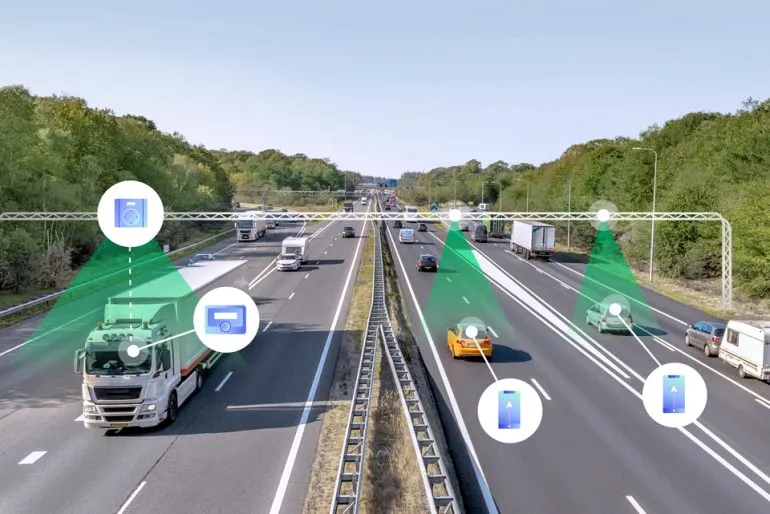
The MLFF system integrates:
-
Automatic Number Plate Recognition (ANPR)
-
Satellite-based positioning (GPS/GNSS)
-
AI analytics
-
RFID-linked FASTag accounts
Barrier-Less, Distance-Based Charging
-
Vehicles are charged seamlessly without stopping
-
Toll is calculated based on actual highway usage
-
Ensures fairness for short-distance users
This model follows global best practices, as highlighted in World Bank transport studies.
Automated Enforcement and Lower Costs
-
AI flags violations in real time
-
Penalties linked directly to VAHAN databases
-
Removal of toll booths reduces:
-
Manpower costs
-
Maintenance expenditure
-
Broader Significance for India
-
Economic: Lower logistics costs, higher competitiveness
-
Environmental: Reduced emissions and fuel consumption
-
Governance: Plugging leakages, improving non-tax revenue
-
Technological: Promotes AI, satellite navigation, and digital public infrastructure
Challenges to Watch (UPSC Angle)
-
Data privacy and surveillance concerns
-
Accuracy of ANPR in poor weather conditions
-
Inclusion of vehicles without updated FASTag/GPS
-
Legal and grievance-redress mechanisms
Conclusion
The shift to AI-based GPS tolling and MLFF marks a transformative step in India’s transport infrastructure. By addressing inefficiencies, emissions, and revenue leakages simultaneously, it reflects a technology-driven governance approach essential for a fast-growing economy.
For UPSC aspirants, this topic neatly connects economy, environment, infrastructure, and science & technology, making it a high-value current affairs issue.
Subscribe to our Youtube Channel for more Valuable Content – TheStudyias
Download the App to Subscribe to our Courses – Thestudyias
The Source’s Authority and Ownership of the Article is Claimed By THE STUDY IAS BY MANIKANT SINGH