Castist Remarks by IAS Officers: Constitutional Morality vs Personal Expression
Introduction
In recent times, controversies involving serving IAS officers making caste-charged public remarks—particularly in Madhya Pradesh—have ignited a nationwide debate. At the heart of this debate lies a critical constitutional question: Where does personal freedom of expression end, and institutional discipline begin?
This isn’t just about one officer or one statement. It’s about the soul of India’s bureaucracy and the constitutional morality that binds public power to public responsibility.
Understanding the Role of an IAS Officer
IAS as the Steel Frame of India
India’s administrative system rests heavily on the Indian Administrative Service. Often called the steel frame, IAS officers are expected to implement laws neutrally, without fear or favour. They are not activists, influencers, or opinion leaders in the conventional sense—they are trustees of constitutional authority.
Power, Authority, and Public Trust
An IAS officer’s words carry weight far beyond ordinary speech. When they speak, citizens don’t hear just an individual—they hear the State. That’s why even casual remarks can have serious societal consequences.
The Recent Controversies Explained
What Happened in Madhya Pradesh
Recent incidents involving serving IAS officers making caste-centric public statements sparked outrage and concern. These remarks were perceived as encouraging caste assertion rather than constitutional equality.
Why These Remarks Triggered National Debate
Caste is a sensitive fault line in Indian society. When a senior bureaucrat invokes caste identity, it risks legitimising division—something the Constitution explicitly seeks to eliminate.
Freedom of Speech Under Article 19
What Article 19 Guarantees
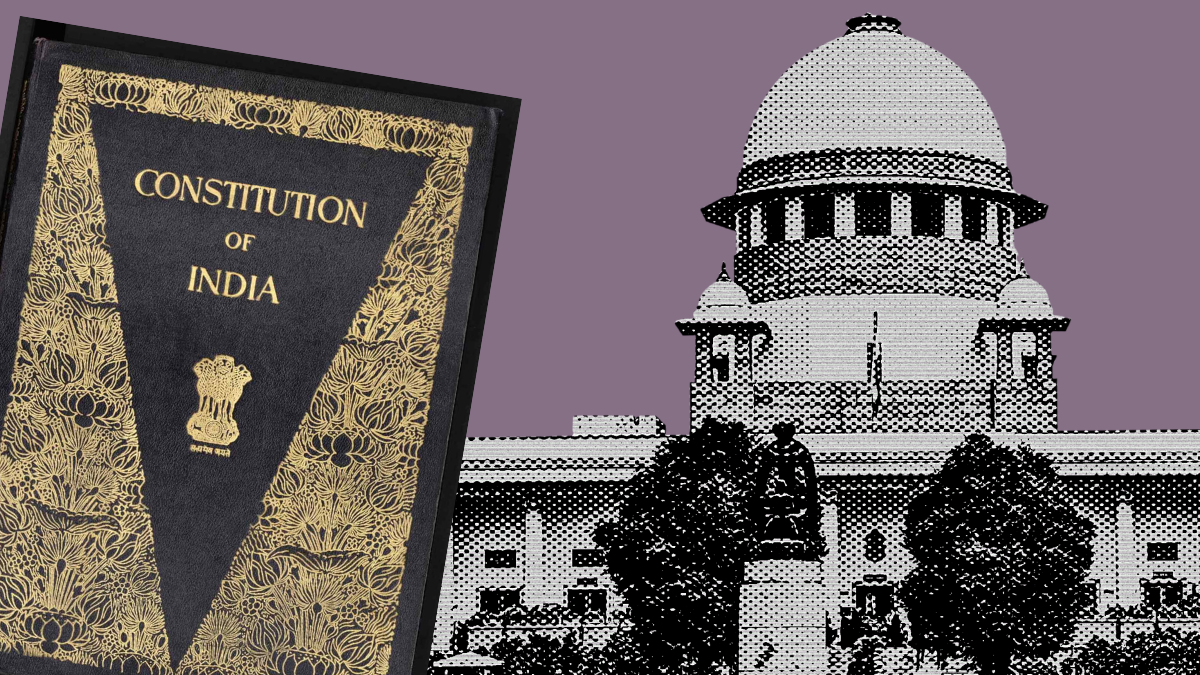
Article 19 of the Indian Constitution guarantees freedom of speech and expression. It’s the backbone of democracy, allowing debate, dissent, and dialogue.
Reasonable Restrictions Under Article 19(2)
But here’s the catch—this freedom is not absolute. Article 19(2) allows restrictions in the interests of public order, morality, and decency.
Morality, Decency, and Public Order
Speech that deepens social divisions or threatens harmony crosses constitutional limits—especially when it comes from someone wielding state power.
Article 33 of the Indian Constitution
Meaning and Scope of Article 33
Article 33 empowers Parliament to restrict or modify Fundamental Rights of armed forces, police, and similar services to ensure discipline and neutrality.
Who Does Article 33 Apply To?
Technically, Article 33 does not apply directly to IAS officers. But its philosophy is crystal clear: institutional discipline must override individual expression where state authority is involved.
Why Discipline Overrides Expression
Uniformed or disciplined services cannot function if personal ideologies dominate official conduct. Neutrality is non-negotiable.
Does Article 33 Apply to IAS Officers?
Direct vs Indirect Applicability
While IAS officers fall outside the direct ambit of Article 33, the principle behind it informs civil service conduct rules.
The Spirit of Article 33 in Civil Services
The idea is simple—constitutional morality must trump personal identity when you occupy public office.
Constitutional Morality and Bureaucratic Neutrality
Understanding Constitutional Morality
Constitutional morality means adherence to values like equality, dignity, and secularism—even when personal beliefs differ.
Neutrality as the Core of Governance
A neutral bureaucracy ensures fair administration. The moment officers publicly align with caste identities, neutrality collapses.
Caste and the Indian Social Fabric
Historical Context of Caste
Caste has shaped Indian society for centuries, often reinforcing inequality and exclusion.
Why State Officials Must Rise Above Identity Politics
The Constitution envisions a future beyond caste. Public officials are expected to lead by example—not reinforce old hierarchies.
Conduct Rules Governing IAS Officers
All India Services (Conduct) Rules
These rules prohibit public statements that compromise neutrality or bring disrepute to the service.
Prohibition on Public Political and Social Advocacy
IAS officers are barred from public advocacy that may appear partisan, divisive, or ideological.
Supreme Court’s View on Public Servants’ Speech
Narrower Zone of Free Speech
The Supreme Court has consistently ruled that public servants enjoy a narrower zone of free speech.
Landmark Judgments and Ethical Standards
The Court emphasises that bureaucrats must avoid speech that could undermine public confidence or social harmony.
Economic Survey and Bureaucratic Neutrality
Governance and State Capacity
Recent Economic Surveys highlight that effective governance depends on a rule-bound, impartial bureaucracy.
Social Trust and Rule-Based Administration
Once trust erodes, state capacity weakens. Identity-based mobilisation by officials accelerates this erosion.
Administrative Ethics and Accountability
Why Ethics Matter More Than Intent
Even if intent is personal or emotional, the impact of speech matters more.
Impact on Public Confidence
One irresponsible statement can undo years of trust-building between the State and citizens.
Risks of Normalising Caste-Based Assertions
Social Polarisation
Such remarks legitimise social polarisation, emboldening divisions.
Erosion of Equality Under Article 14
Caste-based assertions contradict Article 14, which guarantees equality before the law.
Balancing Rights and Responsibilities
Freedom with Accountability
Yes, officers are citizens—but they are citizens with extraordinary responsibility.
Public Office as a Constitutional Trust
Holding public office is not a platform for self-expression; it’s a constitutional trust.
The Way Forward
Training, Sensitisation, and Enforcement
Regular ethics training and strict enforcement of conduct rules are essential.
Reinforcing Constitutional Values
Institutions must reinforce that loyalty lies with the Constitution—not identity politics.
Conclusion
The controversy around casteist remarks by IAS officers is not about silencing voices—it’s about preserving constitutional balance. Articles 19 and 33 together remind us that freedom without restraint can damage democracy, especially when exercised by those in power. For India’s bureaucracy to remain credible, neutral, and effective, constitutional morality must always outweigh personal ideology.
FAQs
1. Can IAS officers express personal opinions publicly?
Yes, but within strict limits defined by conduct rules and constitutional principles.
2. Does Article 33 apply to civil servants?
Not directly, but its philosophy guides service discipline and neutrality.
3. Why are caste-related remarks considered serious?
Because they risk legitimising social division and undermine equality.
4. What action can be taken against such officers?
Disciplinary proceedings under All India Services rules.
5. Why is bureaucratic neutrality so important?
It ensures fair governance, public trust, and constitutional integrity.
Subscribe to our Youtube Channel for more Valuable Content – TheStudyias
Download the App to Subscribe to our Courses – Thestudyias
The Source’s Authority and Ownership of the Article is Claimed By THE STUDY IAS BY MANIKANT SINGH