India-Oman CEPA
India-Oman CEPA
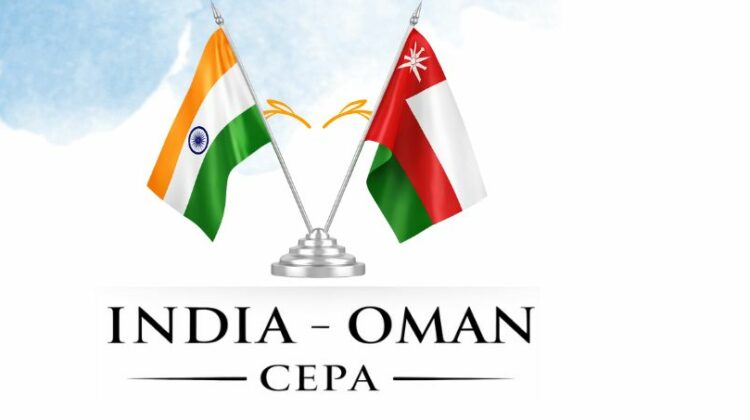
Context: Amidst an increasingly restrictive global trading environment characterised by high U.S. tariffs, India has signed a Comprehensive Economic Partnership Agreement (CEPA) with Oman.
Why is Oman strategically essential for India?
Oman’s significance for India extends far beyond bilateral trade volumes, rooted in geographic, economic, and diplomatic imperatives.
-
Critical Geographic Location:
Oman occupies a strategic chokepoint at the mouth of the Strait of Hormuz, a vital waterway through which a significant portion of the world’s oil shipments and India’s energy imports pass. A strong partnership ensures regional stability and security of India’s energy supply lines.
-
Gateway to West Asia and Africa:
Oman serves as a logistical and commercial gateway to the broader Gulf Cooperation Council (GCC) region, East Africa, and beyond. Enhanced economic ties with Oman facilitate Indian market access to these interconnected regions.
-
Energy Security Partner:
Oman is a stable supplier of crude oil, liquefied natural gas (LNG), and key industrial feedstocks like fertilisers and petrochemicals to India. Securing reliable access to these resources is crucial for India’s energy and manufacturing sectors.
-
Deep People-to-People Ties:
With nearly 700,000 Indian nationals forming one of the largest expatriate communities in Oman, the relationship is underpinned by strong socio-cultural bonds. This diaspora acts as a bridge for business, facilitates remittances (~$2 billion annually), and fosters enduring goodwill.
-
Diplomatic Anchor in the Gulf:
As a historically balanced and moderate actor in West Asian politics, Oman is a valuable diplomatic partner for India. Strengthening the economic pillar complements strategic dialogues on regional security and connectivity.
-
FTA Diplomacy Leverage:
With the India-GCC trade talks stalled, securing agreements with individual members like the UAE and now Oman creates a positive template and may incentivise other GCC nations (Saudi Arabia, Qatar) to expedite bilateral deals with India.
Why is the recently signed trade deal crucial?
The India-Oman CEPA is a crucial intervention for India’s trade and strategic policy, addressing immediate challenges and creating long-term opportunities.
-
Diversification from Tariff Vulnerabilities:
The deal is a direct strategic response to high and retaliatory U.S. tariffs (averaging 5% on many goods). By providing zero-duty access for over 99% of India’s exports to Oman, it offers an alternative, stable market for labour-intensive sectors (textiles, gems & jewellery, automotive) hit hardest by U.S. trade barriers, thereby spreading export risk.
-
Boosting Competitiveness of Key Sectors:
Immediate tariff elimination removes a 5% cost disadvantage Indian goods faced in Oman. This boosts the price competitiveness of Indian manufactured goods, agricultural products, pharmaceuticals, and automobiles, potentially driving significant export growth.
-
A Pioneering Services Agreement:
The CEPA breaks new ground for India in West Asia with extensive Omanese commitments in services (IT, healthcare, education) and Mode 4 (movement of professionals). The easing of quotas and extension of stay durations for Indian professionals facilitates deeper integration and knowledge-based exports.
-
Strategic Economic Foothold:
As Oman’s first new bilateral trade deal since 2006 (with the US), this agreement grants India a first-mover advantage and preferential access in a growing market, positioning Indian businesses ahead of competitors from other nations.
-
Balancing Liberalisation with Protection:
The deal reflects a calibrated approach. India has secured safeguards for sensitive sectors (dairy, agriculture, some metals) through exclusion lists and tariff-rate quotas, balancing market opening with the protection of domestic stakeholders.
-
Enhancing Integrated Supply Chains:
The pact will facilitate investment flows and joint ventures, encouraging the integration of Indian manufacturing with Omani logistics and its access to GCC markets, thereby strengthening India’s role in regional value chains.
Catalyst for Broader Trade Diplomacy:
Concluding this deal demonstrates India’s credibility and agility as a negotiating partner, providing positive momentum for other ongoing FTA negotiations (e.g., with the EU, New Zealand, Chile).
Subscribe to our Youtube Channel for more Valuable Content – TheStudyias
Download the App to Subscribe to our Courses – Thestudyias
The Source’s Authority and Ownership of the Article is Claimed By THE STUDY IAS BY MANIKANT SINGH