Bhakti & Sufi Movement – Social Reform Angle
Bhakti & Sufi Movement Social Reform Perspective
Bhakti & Sufi Movement – Social Reform Angle
The Bhakti and Sufi movements were two important religious and social movements that emerged in medieval India. Though they originated in different religious traditions — Bhakti within Hinduism and Sufism within Islam — both movements shared similar ideas and values. They emphasised love, devotion, equality, and tolerance, and challenged rigid religious practices and social inequalities.
These movements played a crucial role in bringing about social reform by questioning caste discrimination, opposing religious orthodoxy, promoting harmony among communities, and making spiritual ideas accessible to common people. Their influence extended beyond religion and left a lasting impact on Indian society, culture, language, and traditions.
1. The Bhakti Movement
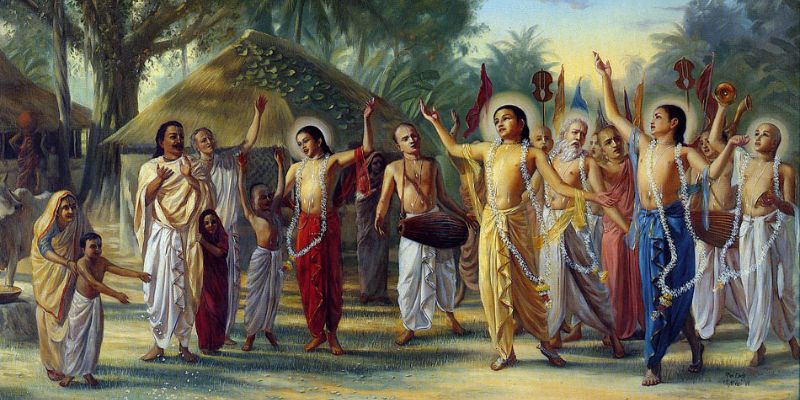
The Bhakti movement began in South India around the 8th century CE and gradually spread to other parts of India between the 13th and 17th centuries. The word bhakti means devotion, and the movement emphasised a deep, personal relationship between the devotee and God.
Bhakti saints believed that salvation could be achieved through sincere devotion, not through rituals, sacrifices, or priestly mediation. This belief directly challenged the dominance of Brahmanical rituals and the rigid caste system.
1.1 Early Bhakti Traditions
The earliest Bhakti saints were the Alvars (devotees of Vishnu) and Nayanars (devotees of Shiva) of Tamil Nadu. They composed devotional hymns in Tamil, which were sung in temples and public gatherings. These saints came from diverse social backgrounds, including lower castes, and emphasised love and devotion over ritual purity.
Women saints such as Andal and Karaikal Ammaiyar played a significant role in the movement, breaking social barriers and asserting spiritual equality.
1.2 Spread of the Bhakti Movement
From South India, the Bhakti movement spread to different regions:
- In Karnataka, it took the form of the Virashaiva or Lingayat movement led by Basavanna, who rejected caste distinctions and ritualism.
- In Maharashtra, saints like Namdev and Tukaram preached devotion to Vithoba.
- In North India, saints such as Ramananda, Kabir, Ravidas, Mirabai, Tulsidas, and Surdas became prominent.
These saints composed their teachings in regional languages like Hindi, Marathi, Bengali, Punjabi, and Kannada, making religious ideas accessible to the masses.
2. Social Reform through the Bhakti Movement
The Bhakti movement contributed significantly to social reform in the following ways:
2.1 Challenge to the Caste System
Bhakti saints strongly opposed the caste system and the idea that birth determined one’s spiritual worth. Saints like Kabir and Ravidas openly criticised caste divisions and preached that all human beings were equal before God. According to them, devotion, not caste, was the true measure of a person’s worth.
2.2 Inclusion of Women and Marginalised Groups
The movement gave women and lower castes a voice in religious life. Female saints such as Mirabai expressed devotion freely through poetry and songs, challenging patriarchal norms. The participation of marginalised groups helped make religion more inclusive.
2.3 Use of Vernacular Languages
Instead of Sanskrit, Bhakti saints used local languages to communicate their ideas. This helped spread literacy, encouraged regional literature, and allowed common people to understand spiritual teachings without depending on priests.
2.4 Opposition to Ritualism and Orthodoxy
Bhakti saints rejected elaborate rituals, sacrifices, and idol worship when practised mechanically. They emphasised inner devotion and moral living over external religious practices. This weakened the authority of rigid religious institutions.
2.5 Promotion of Ethical Living
Bhakti teachings encouraged values such as truth, humility, compassion, and selfless service. These values helped create a more humane and ethical social order.
3. The Sufi Movement
The Sufi movement represented the mystical dimension of Islam. Sufism emphasised love, devotion, and personal experience of God, rather than strict adherence to religious laws and rituals. Sufis believed that the ultimate goal of life was to attain closeness to God through love and devotion.
Sufism spread in India from the 12th century onwards, with Sufi saints establishing khanqahs (spiritual centres) that welcomed people from all communities.
3.1 Teachings and Practices of Sufism
Key ideas of the Sufi movement included:
- Love for God as the highest form of worship
- Equality of all human beings
- Service to humanity (khidmat)
- Inner purification through meditation and remembrance of God (zikr)
Sufi saints often used music and poetry, such as qawwali, to express devotion.
3.2 Popular Sufi Saints
Some prominent Sufi saints in India were:
- Khwaja Moinuddin Chishti of Ajmer
- Nizamuddin Auliya of Delhi
- Shaikh Salim Chishti of Fatehpur Sikri
Their shrines became places of pilgrimage for people of all religions.
4. Social Reform through the Sufi Movement
The Sufi movement played a significant role in promoting social reform in medieval India by emphasising love, equality, and spiritual devotion over rigid religious practices. Its influence extended beyond religion and helped shape a more inclusive and harmonious society.
4.1 Religious Tolerance and Harmony
Sufi saints strongly believed in universal love and brotherhood. They welcomed people from all religions into their khanqahs and dargahs, creating spaces where religious boundaries were blurred. By focusing on devotion to God rather than religious identity, Sufis helped reduce communal tensions and encouraged peaceful coexistence between different communities. Their teachings promoted respect for diverse faiths and fostered an atmosphere of mutual understanding.
4.2 Equality and Human Dignity
One of the most important social contributions of the Sufi movement was its rejection of social hierarchies based on caste, wealth, or status. In khanqahs, all individuals were treated equally, whether rich or poor, Hindu or Muslim. This message of human dignity appealed especially to the poor, oppressed, and marginalized sections of society, who found in Sufism a sense of belonging and spiritual comfort.
4.3 Cultural Synthesis
Sufi saints adapted their teachings to local cultural contexts. They adopted regional customs, dress, languages, and traditions, allowing Islamic spirituality to blend with Indian cultural practices. This interaction led to the development of a composite culture, visible in music, festivals, architecture, and social customs. Such cultural synthesis strengthened social unity and reduced rigid cultural divisions.
4.4 Promotion of Vernacular Languages
Like the Bhakti saints, Sufis used local languages instead of Arabic or Persian to communicate their ideas. Through poetry, songs, and sermons in vernacular languages, they made spiritual teachings accessible to common people. This contributed to the growth of regional literature and helped spread ideas of love, devotion, and social harmony to a wider audience.
5. Common Features of Bhakti and Sufi Movements
Despite belonging to different religious traditions, the Bhakti and Sufi movements shared many common features:
- Emphasis on Personal Devotion- Focused on direct, personal devotion to God rather than formal rituals or religious intermediaries.
- Rejection of Social Inequality- Opposed caste discrimination, religious intolerance, and social exclusion; promoted equality and dignity for all.
- Use of Music and Poetry- Devotional songs, hymns, and poetry were central, making spiritual ideas emotionally appealing and easy to understand.
- Promotion of Social Values- Emphasised love, compassion, humility, tolerance, and service, contributing to moral and social reform.
6. Impact on Indian Society
The Bhakti and Sufi movements had a profound and lasting impact on Indian society, influencing religion, culture, social structures, and ethics. Their contributions can be elaborated as follows:
6.1 Encouragement of Religious Tolerance and Harmony
Both movements stressed love, devotion, and equality over rigid rituals or doctrinal differences. Bhakti saints like Kabir and Mirabai, and Sufi saints like Khwaja Moinuddin Chishti, actively welcomed people from different communities. This promoted mutual respect between Hindus and Muslims, helping reduce religious tensions in society. Their teachings fostered a culture of acceptance and coexistence, which became a hallmark of India’s composite cultural heritage.
6.2 Weakening Rigid Caste and Social Barriers
The Bhakti movement challenged the hierarchical caste system, teaching that spiritual worth is determined by devotion, not birth. Saints like Ravidas and Kabir openly criticised caste-based discrimination, while Sufi saints emphasised equality and dignity for all, regardless of social status. By making spiritual spaces inclusive (temples, satsangs, khanqahs), these movements allowed marginalised groups, including women, lower castes, and the poor, to participate fully in religious life, thus gradually eroding social inequality.
6.3 Promotion of Regional Languages and Literature
Bhakti and Sufi saints composed devotional poetry, hymns, and songs in regional languages instead of classical Sanskrit or Persian. For example, Tulsidas wrote in Awadhi, Tukaram in Marathi, and Bulleh Shah in Punjabi. This popularised vernacular languages, encouraged literacy among common people, and enriched regional literary traditions. Their works also inspired later literature and devotional compositions.
6.4 Enrichment of Indian Music, Poetry, and Art
Devotional music, songs, and poetry played a central role in both movements. Bhakti and Sufi compositions like bhajans, kirtans, and qawwalis became a means to connect the masses with spiritual ideas. They not only popularised religious teachings but also had a lasting impact on Indian performing arts, influencing classical and folk music traditions, storytelling, and even painting.
6.5 Contribution to a Composite Cultural Tradition
By blending local customs, languages, and cultural practices with religious teachings, the Bhakti and Sufi movements created a syncretic cultural ethos. Festivals, rituals, and spiritual practices often incorporated elements from both Hindu and Muslim traditions. This cultural synthesis laid the foundation for India’s pluralistic social fabric, where diverse beliefs and practices could coexist peacefully.
6.6 Influence on Later Reform Movements
The social and ethical ideas propagated by Bhakti and Sufi saints inspired later reform movements, including the Sikh movement, modern religious reformers like Raja Ram Mohan Roy, and social reformers who advocated for caste equality and women’s empowerment. Their emphasis on devotion, morality, and social justice continues to resonate in contemporary Indian society.
Conclusion
The Bhakti and Sufi movements were powerful forces of social reform in medieval India. By emphasising devotion, equality, and love, they challenged social hierarchies, religious rigidity, and discrimination. They brought religion closer to the common people and encouraged a more inclusive and humane society.
Their teachings fostered communal harmony, ethical living, and cultural synthesis, leaving a deep imprint on India’s social and cultural life. Even today, the values promoted by the Bhakti and Sufi saints continue to inspire ideals of tolerance, unity, and social justice.
Subscribe to our Youtube Channel for more Valuable Content – TheStudyias
Download the App to Subscribe to our Courses – Thestudyias
The Source’s Authority and Ownership of the Article is Claimed By THE STUDY IAS BY MANIKANT SINGH