The Advent of Europeans in India – Causes and Consequences
The Advent of Europeans in India – Causes and Consequences
Introduction : The Advent of Europeans
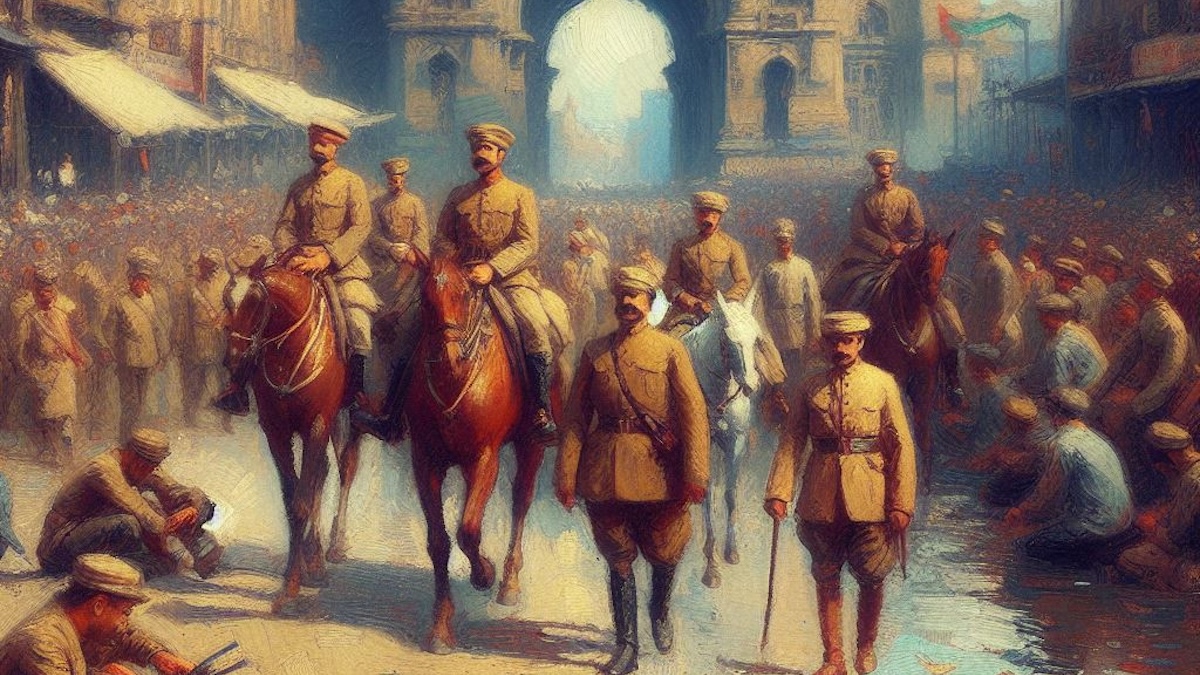
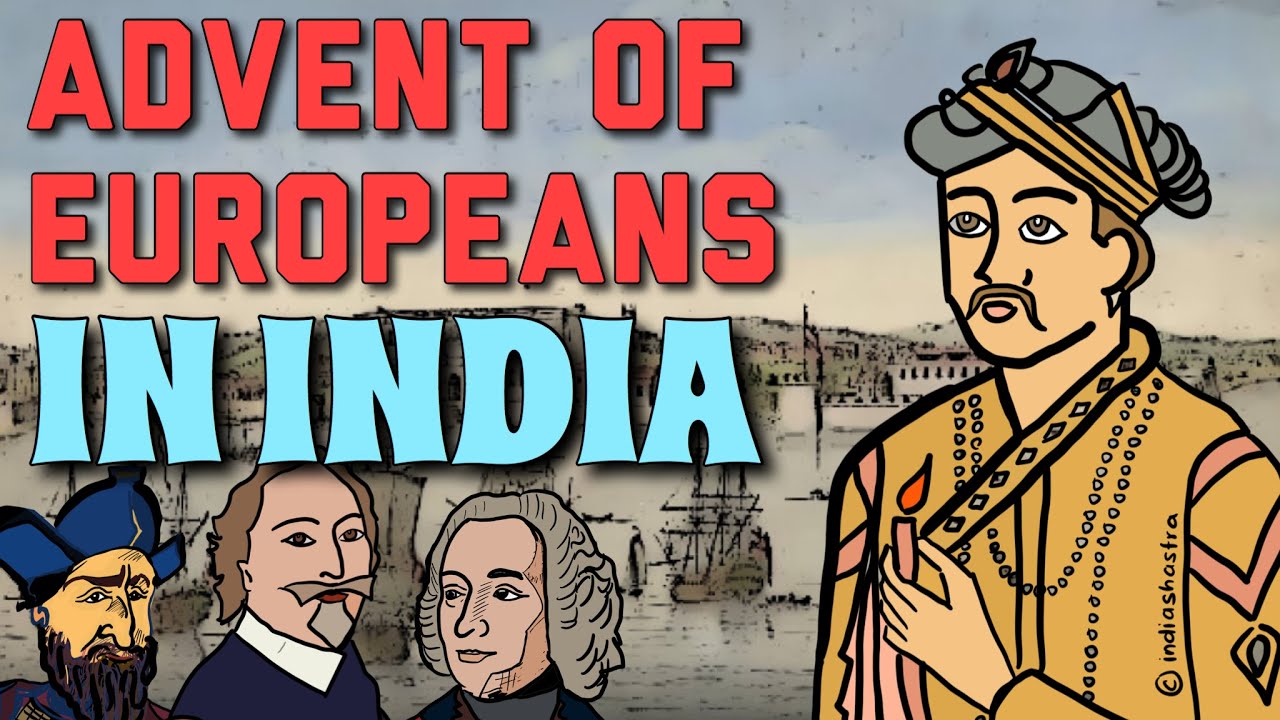
The advent of Europeans in India marks a decisive phase in Indian history. It began as a search for new trade routes and commercial opportunities but gradually resulted in political domination and colonial rule. From the arrival of the Portuguese at the end of the fifteenth century to the establishment of British supremacy in the eighteenth century, European involvement transformed India’s economy, society and polity. This period laid the foundation for colonialism and shaped India’s interaction with the modern world.
The arrival of Europeans was not sudden or accidental. It was the result of a series of developments in Europe and Asia, including changes in trade routes, technological progress in navigation, and growing political and economic ambitions. This article examines the causes that led to the arrival of Europeans in India and the consequences of their presence on Indian history.
India and World Trade before the Europeans
India had been a centre of international trade since ancient times. Indian spices, cotton textiles, silk, precious stones and handicrafts were in great demand in West Asia, Europe and Southeast Asia. Indian merchants traded with Romans, Arabs, Persians and Chinese through well-established land and sea routes.
By the medieval period, Arab traders dominated the Indian Ocean trade. European merchants obtained Indian goods through intermediaries based in West Asia and the Mediterranean region, particularly Venetian traders. As a result, European countries had little direct access to the wealth of India and Asia.
A major change occurred in the fifteenth century when the Ottoman Turks captured Constantinople in 1453. This disrupted the traditional land routes connecting Europe with Asia and made Eastern goods more expensive. European nations were therefore compelled to search for new sea routes to India.
Causes for the Advent of Europeans in India
The arrival of Europeans in India was caused by a combination of economic, technological, political, religious and psychological factors.
1. Economic Causes
The primary motive behind European expansion was economic. Indian spices such as pepper, cloves, cinnamon and nutmeg were highly valued in Europe. These spices were used to preserve food and add flavour, especially during long winters. Indian cotton textiles were also in great demand due to their superior quality.
European merchants wanted to eliminate Arab and Venetian middlemen in order to increase profits. By establishing a direct sea route to India, they hoped to control trade and accumulate wealth. The economic doctrine of mercantilism, which dominated Europe at the time, encouraged nations to acquire colonies and control trade to increase national wealth.
2. Technological and Navigational Advances
Advances in science and technology played a crucial role in European overseas expansion. The invention and improvement of navigational instruments such as the compass, astrolabe and sextant made long sea voyages safer and more accurate. Improved shipbuilding techniques led to the construction of strong ships capable of carrying large quantities of goods. Better maps and geographical knowledge also encouraged European sailors to venture into unknown seas. These technological developments enabled Europeans to explore new maritime routes and reach India by sea.
3. Political Causes
The rise of powerful nation-states in Europe such as Portugal, Spain, England and France contributed to overseas expansion. Strong monarchs provided financial and military support to explorers and trading companies. Overseas trade and territorial expansion became symbols of national prestige and power.
Political rivalry among European states encouraged them to establish colonies and trading posts in Asia. Control over Indian trade was seen as a means to gain an advantage over rival European powers.
4. Religious Causes
Religion was another important motive behind European expansion. Many European rulers and missionaries believed it was their duty to spread Christianity to non-Christian lands. The Portuguese and Spanish, in particular, combined trade with missionary activities.
Christian missionaries accompanied traders and soldiers to India. Churches, schools and religious institutions were established, especially in areas under Portuguese control such as Goa.
5. Spirit of Adventure and Renaissance Influence
The Renaissance period in Europe promoted curiosity, learning and the spirit of adventure. Travel accounts of explorers like Marco Polo inspired Europeans to seek wealth and knowledge in distant lands. Explorers were driven by the desire for fame, honour and discovery, which encouraged them to undertake risky sea voyages.
Major European Powers in India : Advent of Europeans
1. The Portuguese
The Portuguese were the first Europeans to arrive in India by sea. In 1498, Vasco da Gama reached Calicut on the western coast of India. This event marked the beginning of direct maritime trade between Europe and India.
The Portuguese established trading centres and forts along the western coast, including Goa, Daman and Diu. Goa became the headquarters of Portuguese power in India. They introduced a naval system to control the Indian Ocean trade and attempted to monopolise the spice trade.
2. The Dutch
The Dutch entered India in the early seventeenth century. They established trading centres along the eastern and western coasts, particularly in Andhra Pradesh and Bengal. The Dutch East India Company focused mainly on trade and avoided extensive territorial expansion.
Eventually, the Dutch were defeated by the English and lost most of their Indian possessions.
3. The English
The English East India Company was established in 1600. The English began their trade in India by setting up factories at Surat, Madras, Bombay and Calcutta. Initially, they focused on trade and sought permission from Indian rulers to operate.
Over time, the English gradually strengthened their military power and interfered in Indian politics. The decisive victory of the British in the Battle of Plassey in 1757 marked the beginning of British political control in India. This was followed by further expansion and consolidation of British rule.
4. The French and Danes
The French established trading centres in Pondicherry, Chandernagore and Mahe. They emerged as strong rivals of the British during the eighteenth century. However, after a series of defeats, French political ambitions in India declined.
The Danes established a small settlement at Tranquebar but played a limited role in Indian history.
Consequences of the Advent of Europeans in India
The advent of Europeans had far-reaching consequences for India. These effects were economic, political, social and cultural in nature.
1. Economic Consequences of the Advent of Europeans in India
European control over trade disrupted traditional Indian commercial networks. Indian artisans and craftsmen suffered as European manufactured goods entered Indian markets. The focus on exporting raw materials such as cotton, indigo and jute weakened India’s traditional industries.
Land revenue policies introduced during colonial rule placed heavy burdens on peasants. The exploitation of India’s resources led to the drain of wealth, resulting in widespread poverty and economic stagnation.
2. Political Consequences of the Advent of Europeans in India
The gradual transformation of trading companies into political powers was a major consequence of European advent. Indian rulers were often drawn into alliances and conflicts that weakened their authority.
The British eventually established direct control over large parts of India, ending Indian political sovereignty. Traditional systems of governance were replaced by colonial administration.
3. Social and Cultural Consequences of the Advent of Europeans in India
European rule brought Western education, legal systems and ideas of democracy and liberty. English education produced a new class of educated Indians who later led social reform movements and the national freedom struggle.
At the same time, missionary activities and colonial policies led to social tensions and cultural disruption. Traditional customs were challenged, leading to both reform and resistance.
4. Infrastructure and Communication
The Europeans introduced modern infrastructure such as roads, railways, ports and telegraph systems. These developments helped integrate different regions of India and improved communication. However, these facilities were primarily designed to serve colonial economic and administrative needs.
5. Rise of Nationalism
Exposure to Western political ideas and colonial exploitation contributed to the rise of Indian nationalism. Educated Indians began to question foreign rule and demand self-government. This eventually led to organised political movements and India’s struggle for independence.
Conclusion
The advent of Europeans in India was a turning point in Indian history. What began as a quest for trade gradually resulted in political domination and colonial rule. European presence reshaped India’s economy, society and political institutions. While colonial rule caused widespread exploitation and hardship, it also introduced modern ideas and institutions that played a role in shaping modern India.
Understanding the causes and consequences of European arrival helps us comprehend the roots of colonialism and the long journey of India towards independence.
Subscribe to our Youtube Channel for more Valuable Content – TheStudyias
Download the App to Subscribe to our Courses – Thestudyias
The Source’s Authority and Ownership of the Article is Claimed By THE STUDY IAS BY MANIKANT SINGH