2-Year UPSC Preparation Strategy
2-Year UPSC Preparation Strategy
Preparing for the Civil Services Examination demands patience, clarity, and long-term planning, which is why a 2-Year UPSC Preparation Strategy is considered ideal by many successful aspirants. Two years provide enough time to understand the vast syllabus in depth without unnecessary pressure. This duration allows aspirants to build strong fundamentals, revise multiple times, and gradually develop answer-writing skills. It also helps in balancing General Studies, optional subjects, and current affairs effectively. Instead of rushed memorization, a 2-year plan promotes conceptual learning and consistency. With the right strategy and discipline, these two years can transform preparation into a confident and structured journey toward success.
How to Prepare for UPSC in 2 Years? (UPSC 2027) – A Complete 2-Year UPSC Preparation Strategy
Preparing for the UPSC Civil Services Examination can feel overwhelming at first. The syllabus is vast, competition is intense, and the pressure is real. But here’s the good news: two years is more than enough if you follow a well-structured, realistic, and disciplined 2-Year UPSC Preparation Strategy.
Think of UPSC preparation like growing a tree. You don’t force it to grow overnight. You water it daily, protect it from storms, and give it time. In two years, that tree will be strong enough to bear fruit. This article will guide you step by step on how to prepare for UPSC in 2 years, especially if you’re targeting UPSC 2027.
Many aspirants ask, “Is 2 years enough for UPSC?” The honest answer is yes—if done correctly.
A 2-Year UPSC Preparation Strategy is ideal for UPSC 2027 because it offers the right balance between time, depth, and consistency. The vast UPSC syllabus demands not just completion but repeated revision, conceptual clarity, and continuous answer writing practice, all of which are realistically achievable only with a two-year timeline. This duration allows aspirants to prepare in an integrated manner for Prelims, Mains, and the Interview without unnecessary pressure.
Unlike short-term plans that often lead to burnout or superficial learning, a two-year strategy enables steady progress, skill development, and self-correction. It also provides enough space to handle setbacks, refine strategies through mock tests, and maintain mental and physical well-being. For serious aspirants targeting UPSC 2027, a two-year preparation window is both practical and sustainable, making it one of the most effective approaches to success.
Year-Wise Breakdown of a 2-Year UPSC Preparation Strategy
A 2-Year UPSC Preparation Strategy works best when divided into clear, structured phases. Splitting the two years into four logical stages helps aspirants focus on specific goals at each step instead of feeling overwhelmed by the vast syllabus. Each phase builds on the previous one—starting from conceptual clarity and moving towards revision, testing, and exam readiness. This phased approach ensures steady progress, timely course correction, and better retention. As a result, preparation feels systematic and manageable rather than rushed or chaotic.
Year 1 (Months 1–12): Foundation + Core Syllabus
The first year of a 2-Year UPSC Preparation Strategy is dedicated to building strong roots. This phase focuses on understanding the core syllabus thoroughly rather than rushing through topics. What you do in Year 1 largely determines the ease and confidence with which you handle Year 2.
First 6 Months: Foundation Building Phase
This phase shapes the quality of your entire preparation. The objective is clarity, discipline, and habit formation, not speed. A strong foundation ensures that advanced topics and answer writing later feel natural and manageable..
- Start with NCERTs (Non-Negotiable)
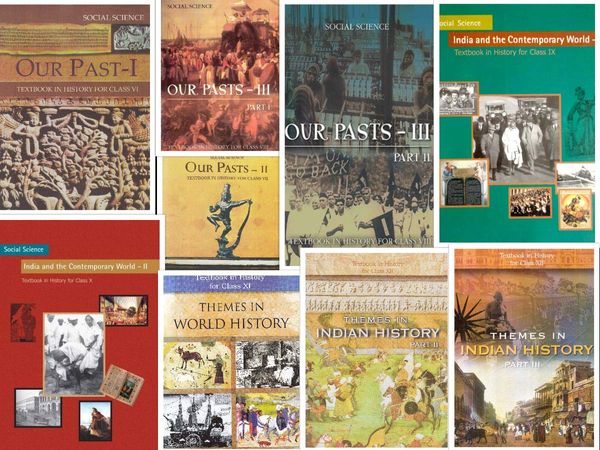
NCERTs from Class 6 to 12 form the backbone of UPSC preparation as they simplify complex topics and build conceptual clarity. They are directly relevant to both Prelims and Mains. Focus on core subjects such as History, Geography, Polity, Economy, and Environment. Read slowly and try to understand why events happened, not just what happened. - Develop the Habit of Newspaper Reading
Begin with one quality newspaper daily, preferably The Hindu or The Indian Express. At this stage, the goal is understanding issues, not making bulky notes. Try linking news items with syllabus topics and develop an opinion-based approach. Think of the newspaper as a daily conversation with the nation and its governance. - Build Discipline, Not Hours
In the initial months, studying 4–6 focused hours daily is sufficient. Consistency matters far more than long, irregular study sessions. The aim is to develop a sustainable routine that you can follow for two years. Strong discipline in Year 1 leads to confidence and stability in later stages of preparation.
Next 6 Months: Standard Books + Optional Subject
With the fundamentals in place, the next six months of Year 1 are about leveling up your preparation. This phase shifts the focus from basic understanding to depth, consolidation, and skill-building. It prepares you for the analytical demands of the Mains examination.
- Cover Standard Reference Books: Once NCERTs are clear, move on to standard reference books such as Laxmikanth for Polity, Spectrum for Modern History, GC Leong for Geography, and basic macroeconomic texts for Economy. These books form the core content for both Prelims and Mains. The focus should be on multiple readings rather than one-time completion to ensure clarity and retention.
- Choose and Start the Optional Subject Early: The optional subject carries 500 marks and can significantly influence the final rank. Choose it based on genuine interest, overlap with GS papers, and availability of guidance and resources. Starting early allows enough time for conceptual clarity and revision. Aim to dedicate at least two focused hours daily to the optional during this phase.
- Light Introduction to Answer Writing: This is the right time to gently introduce answer writing into your routine. Start with one or two answers a day, concentrating on structure, clarity, and relevance rather than perfection. Early exposure reduces fear and hesitation, making full-fledged Mains preparation smoother later on.
Year 2 (Months 13–24): Integration, Practice, and Exam Mode
The second year of a 2-Year UPSC Preparation Strategy is where real transformation takes place. This phase is less about learning new content and more about refining, integrating, and applying what you already know. The focus shifts decisively towards performance in the actual exam.
Months 13–18: Mains-Centric Preparation Phase
This phase forms the backbone of your entire strategy, as Mains largely decides the final rank. The aim is to bring coherence, depth, and structure to your preparation.
- Full Syllabus Integration
By this stage, all GS subjects should have been read at least once and the optional syllabus completed. The next step is integration—linking static topics with current affairs, GS papers with the optional, and theory with real-life examples. This approach helps in writing multidimensional and relevant answers. Integration ensures that knowledge is not fragmented but exam-ready. - Dedicated Answer Writing Practice
Answer writing intensity should now increase to 3–5 answers daily, along with gradual introduction of full-length GS and optional test papers. Focus on writing clear introductions, maintaining logical flow, and using diagrams, flowcharts, and examples where relevant. Remember, UPSC rewards clarity of thought and expression more than unnecessary complexity. - Ethics (GS Paper IV) Preparation
GS Paper IV can be highly scoring if approached strategically. Begin with a clear understanding of basic ethical concepts and thinkers. Regular practice of case studies is essential to develop decision-making skills. Enrich answers with real-life examples, administrative values, and practical solutions to maximize scores.
Months 19–21: Prelims-Focused Phase
At this stage of the 2-Year UPSC Preparation Strategy, it is time to shift gears completely towards Prelims. The objective now is precision, accuracy, and smart elimination rather than learning new content. This phase decides whether you reach the Mains stage.
- Prelims is a Game of Elimination: Prelims is less about knowing everything and more about avoiding negative marking. Focus strongly on core static subjects, thorough current affairs revision, and regular MCQ practice. Strengthening elimination techniques is crucial to clearing the cutoff.
- Mock Tests and Analysis: Regularly attempt sectional tests followed by full-length mock tests. However, the real improvement comes from detailed analysis rather than the number of tests attempted. Every wrong or guessed answer should teach you something new.
- CSAT Preparation: CSAT should never be taken lightly, as many capable aspirants fail at this stage. Practice comprehension passages, basic mathematics, and logical reasoning consistently. Regular practice ensures confidence and prevents last-minute panic.
Months 22–24: Prelims + Mains Overlap and Interview Readiness
The final phase of a 2-Year UPSC Preparation Strategy is dynamic and often overlaps depending on exam dates. This period demands mental resilience, flexibility, and sharp focus, as aspirants transition rapidly between stages of the examination.
- Post-Prelims: Immediate Mains Mode: After Prelims, shift to Mains preparation within a week without waiting for results. Resume intensive answer writing, revise GS and optional notes, and start attempting full-length Mains test papers. Maintaining momentum during this phase is critical, as every day counts.
- Interview Preparation (Early Start): Interview preparation should begin alongside Mains, even before results are announced. Focus on DAF-related topics, current national and international issues, and personality-based questions. Improving communication skills and developing balanced, mature opinions is essential, as the interview tests judgment and attitude rather than mere knowledge.
Daily, Weekly, and Monthly Routine
A well-defined routine is essential to sustain consistency throughout a 2-Year UPSC Preparation Strategy. Daily, weekly, and monthly planning ensures that preparation remains structured, trackable, and revision-oriented.
- Ideal Daily Routine
Aim for 6–8 hours of focused study rather than long, exhausting sessions. Maintain a balanced mix of static subjects and current affairs every day. Always include a dedicated daily revision slot to reinforce what you have already studied. - Weekly Strategy
Set clear and realistic weekly targets to avoid drifting without direction. Reserve at least one day for revision and consolidation. At the end of the week, analyze what worked well and identify areas that need improvement. - Monthly Strategy
Each month should include at least one complete revision cycle of previously studied topics. Update notes with current affairs and new insights gained from tests. Conduct an honest self-evaluation to adjust your strategy for the next month, as preparation without revision fades quickly.
Current Affairs Strategy for a 2-Year UPSC Preparation Strategy
A well-planned current affairs approach is critical for success in UPSC, especially over a two-year timeline. The goal is not information overload but consistent understanding and integration with the syllabus.
- Newspaper Reading: Read editorials and important articles in depth rather than skimming headlines. Focus on identifying key issues, understanding their causes and implications, and thinking about possible solutions. Always link news items to the UPSC syllabus to make your preparation exam-oriented.
- Monthly Magazines: Stick to one reliable monthly current affairs magazine to avoid confusion and redundancy. Instead of making date-wise notes, prepare issue-based notes that can be directly used in Mains answers. This method improves clarity, revision, and answer enrichment over the long term.
Notes Making Strategy: Less Is More
Effective note-making is a cornerstone of a 2-Year UPSC Preparation Strategy, as revision ultimately decides success. The focus should always be on clarity, brevity, and usability rather than volume.
- Digital vs Handwritten Notes
Choose the format that suits your learning style. Digital notes are easier to update, reorganize, and integrate with current affairs, while handwritten notes often aid better memory retention. There is no universally “right” method—consistency matters more than the medium. - Smart Notes Rule
Your notes should be short, easy to revise, and strictly aligned with the UPSC syllabus. Avoid copying from books or newspapers verbatim. Remember, notes are meant to support quick revision before exams, not to function as full-length textbooks.
Health and Mental Well-Being During 2 Years of Preparation
UPSC preparation is not just a test of knowledge; it is a long endurance journey that demands sustained focus and emotional stability. Maintaining health is essential for consistency and peak performance throughout a 2-Year UPSC Preparation Strategy.
- Physical Health
Incorporate at least 30 minutes of daily physical activity to keep your body active and mind fresh. Ensure proper sleep to aid memory and concentration, and follow a balanced diet to maintain energy levels. Good physical health directly supports long study hours and better productivity. - Mental Health
Avoid constant comparison with other aspirants, as it often leads to unnecessary stress and self-doubt. Take short, planned breaks to prevent burnout and mental fatigue. Stay connected with supportive friends, family, or mentors—because a calm, balanced mind always performs better than a stressed one.
Common Mistakes to Avoid While Preparing for UPSC 2027
Avoiding common pitfalls can save months of wasted effort during a 2-Year UPSC Preparation Strategy. Many aspirants struggle not because of lack of hard work, but due to poor planning and habits.
- Collecting Too Many Resources – Using multiple books and sources creates confusion and slows progress. Stick to a few reliable references.
- Ignoring Revision – Without regular revision, knowledge fades and retention suffers. Revision is as important as learning.
- Delaying Answer Writing – Postponing answer writing practice reduces your Mains readiness and confidence. Start early.
- Studying Without a Plan – Random reading leads to incomplete coverage and wasted time. Follow a structured roadmap.
- Burning Out Early – Overloading initially leads to fatigue and demotivation. Consistency matters more than intensity.
Avoiding these mistakes puts you ahead of many aspirants and makes your two-year strategy far more effective.
Self-Study vs Coaching in a 2-Year UPSC Preparation Strategy
Choosing between self-study and coaching depends on your learning style, discipline, and prior knowledge. Both have their advantages, but long-term success relies heavily on self-driven effort.
- When Coaching Helps
Coaching can provide a clear direction and structured roadmap, especially for beginners. It saves time in the initial stages by pointing to standard resources and highlighting important topics. It can also offer guidance, doubt resolution, and peer motivation. - Importance of Self-Study
Ultimately, UPSC selection is achieved through consistent self-study. Coaching can guide you, but it cannot replace personal effort, critical thinking, and regular practice. A strong 2-Year UPSC Preparation Strategy integrates coaching support with disciplined self-learning for the best results.
Motivation and Handling Failure During UPSC Preparation
In a 2-Year UPSC Preparation Strategy, motivation will naturally fluctuate, and facing setbacks is part of the journey. Understanding how to handle these moments separates successful aspirants from those who give up.
- Every Topper Once Felt Like Quitting – Even the most successful candidates have faced self-doubt. Feeling demotivated at times is completely normal.
- Failure Is Feedback, Not the End – Mistakes and low scores are opportunities to improve, refine strategies, and grow stronger.
- Progress Isn’t Always Visible Daily – UPSC preparation is a marathon, not a sprint. Small, consistent efforts compound over time.
- Keep Moving Forward – Even slow, steady steps push you closer to your goal. Persistence and patience are as crucial as knowledge.
Staying resilient, focusing on learning, and maintaining belief in your strategy ensures you stay on track for UPSC 2027.
Final Thoughts: Cracking UPSC 2027 with a 2-Year UPSC Preparation Strategy
Preparing for UPSC in two years is not only possible—it can be highly effective with the right approach. A well-structured 2-Year UPSC Preparation Strategy allows you to build strong conceptual clarity, revise multiple times, and practice answer writing without undue pressure.
Consistency, adaptability, and patience are the pillars of this journey. UPSC doesn’t expect perfection; it rewards sustained effort, smart strategies, and resilience. By following a disciplined two-year plan, you can transform these 24 months into a stepping stone for a successful UPSC 2027 attempt.
Cracking UPSC 2026 / 2027 with a 1-Year UPSC Preparation Strategy : https://thestudyias.com/blogs/1-year-upsc-preparation-strategy/
Frequently Asked Questions (FAQs)
- Is 2 years enough for UPSC 2027 preparation?
Yes, two years are sufficient if you follow a structured and disciplined 2-Year UPSC Preparation Strategy. Proper planning, consistent study, and timely revisions make this timeline highly effective. - How many hours should I study daily for UPSC?
6–8 focused hours of study daily are ideal for long-term preparation. Consistency matters more than long, irregular hours, so it’s better to study smartly rather than excessively. - When should I start answer writing ?
Basic answer writing should begin within the first year, ideally after 6–8 months. Start small, focus on structure, and gradually increase the number and length of answers as your understanding improves. - Is coaching necessary for a 2-year UPSC plan?
Coaching is not mandatory. Many successful aspirants have cleared UPSC entirely through self-study. Coaching can provide guidance and structure, but consistent self-learning is the key to selection. - Can beginners start UPSC preparation for 2027 now?
Absolutely. Beginners have the perfect window to start with a 2-year plan. Starting early allows sufficient time for conceptual clarity, answer writing practice, and multiple revisions, creating a strong foundation for success.
Subscribe to our Youtube Channel for more Valuable Content – TheStudyias
Download the App to Subscribe to our Courses – Thestudyias
The Source’s Authority and Ownership of the Article is Claimed By THE STUDY IAS BY MANIKANT SINGH