A Trilateral Geoeconomic Strategy for India and China
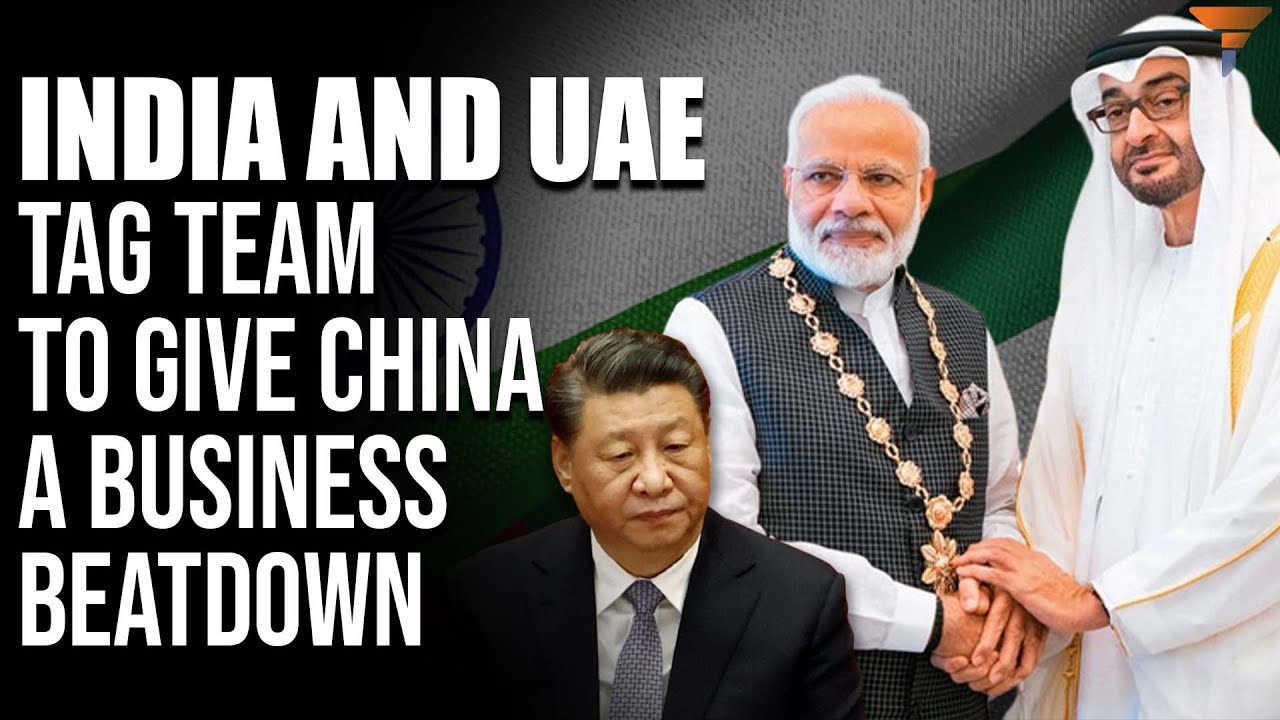
Context: The India-China relationship is defined by a paradox of deep economic interdependence overshadowed by persistent strategic distrust. A novel proposal suggests that engaging a trusted, neutral third country—specifically the United Arab Emirates (UAE)—in a trilateral framework could provide a more stable architecture to advance mutual economic interests without requiring an immediate resolution of bilateral political tensions.
How can a trilateral partnership with a country foster relations between India and China?
A trilateral framework, particularly one involving the UAE, offers a pragmatic pathway to foster India-China relations by creating a new geoeconomic architecture that mitigates direct strategic distrust and leverages complementary strengths.
-
Introducing a “Geoeconomic Guarantor”:
The core mechanism is the introduction of a trusted, neutral third party.
- The UAE, through its policy of strategic neutrality and deep, independent relationships with both India and China, can act not as a political mediator but as a “geoeconomic guarantor.”
- Its credibility and the high value both Asian giants place on their ties with Abu Dhabi create a system of “trust-by-proxy.”
- Both nations have a powerful incentive to honour commercial agreements forged under the UAE’s aegis, as violating them would risk damaging their crucial bilateral relationships with the Gulf state.
-
De-risking and De-politicising Economic Engagement:
The framework creates a buffer.
- For China, the UAE provides a de-politicised and reliable gateway into the Indian market, bypassing some of the direct political hurdles of the bilateral relationship.
- For India, access to Chinese capital and technology is facilitated through a neutral, rules-based hub with robust legal and financial systems, thereby mitigating perceived strategic and security risks.
- The UAE’s world-class infrastructure and financial centres offer a neutral ground for joint ventures, investments, and supply chain integration.
-
Leveraging Complementary Strengths for Mutual Gain:
The trilateral model allows each country to contribute its unique assets within a structured, multi-lateral setting:
- India provides a vast consumer market, immense human capital, and a scaling manufacturing base (e.g., “Make in India”).
- China contributes advanced technology, sophisticated logistics, and substantial capital reserves.
- The UAE offers neutral territory, global connectivity, sovereign investment capital (from funds like ADIA and Mubadala), and experience in managing complex international partnerships.
-
Building a New Geoeconomic Architecture:
This moves beyond the stagnant bilateral paradigm.
- Collaborative projects in third countries (in Africa or Central Asia), co-investment in technology parks in the UAE, or green energy initiatives can be pursued.
Success in these trilateral ventures can, over time, create a reservoir of constructive engagement that may positively influence the broader bilateral climate, building incremental trust through shared economic success.
Subscribe to our Youtube Channel for more Valuable Content – TheStudyias
Download the App to Subscribe to our Courses – Thestudyias
The Source’s Authority and Ownership of the Article is Claimed By THE STUDY IAS BY MANIKANT SINGH