Ashoka’s Dhamma: Relevance for Ethics Paper
Ashoka’s Dhamma: Relevance for UPSC Ethics Paper (GS IV)
INTRODUCTION (Ashoka’s Dhamma)
Ashoka’s Dhamma occupies a unique place in Indian history as an early attempt to integrate ethics with governance. It emerged during the reign of Emperor Ashoka of the Mauryan dynasty in the 3rd century BCE, following a profound transformation in his personal outlook after the Kalinga War. Rather than being a religious doctrine, Dhamma was a moral and ethical code intended to guide the conduct of individuals, society, and the state. It emphasised values such as non-violence, tolerance, compassion, respect for elders, social harmony, and the welfare of all living beings.
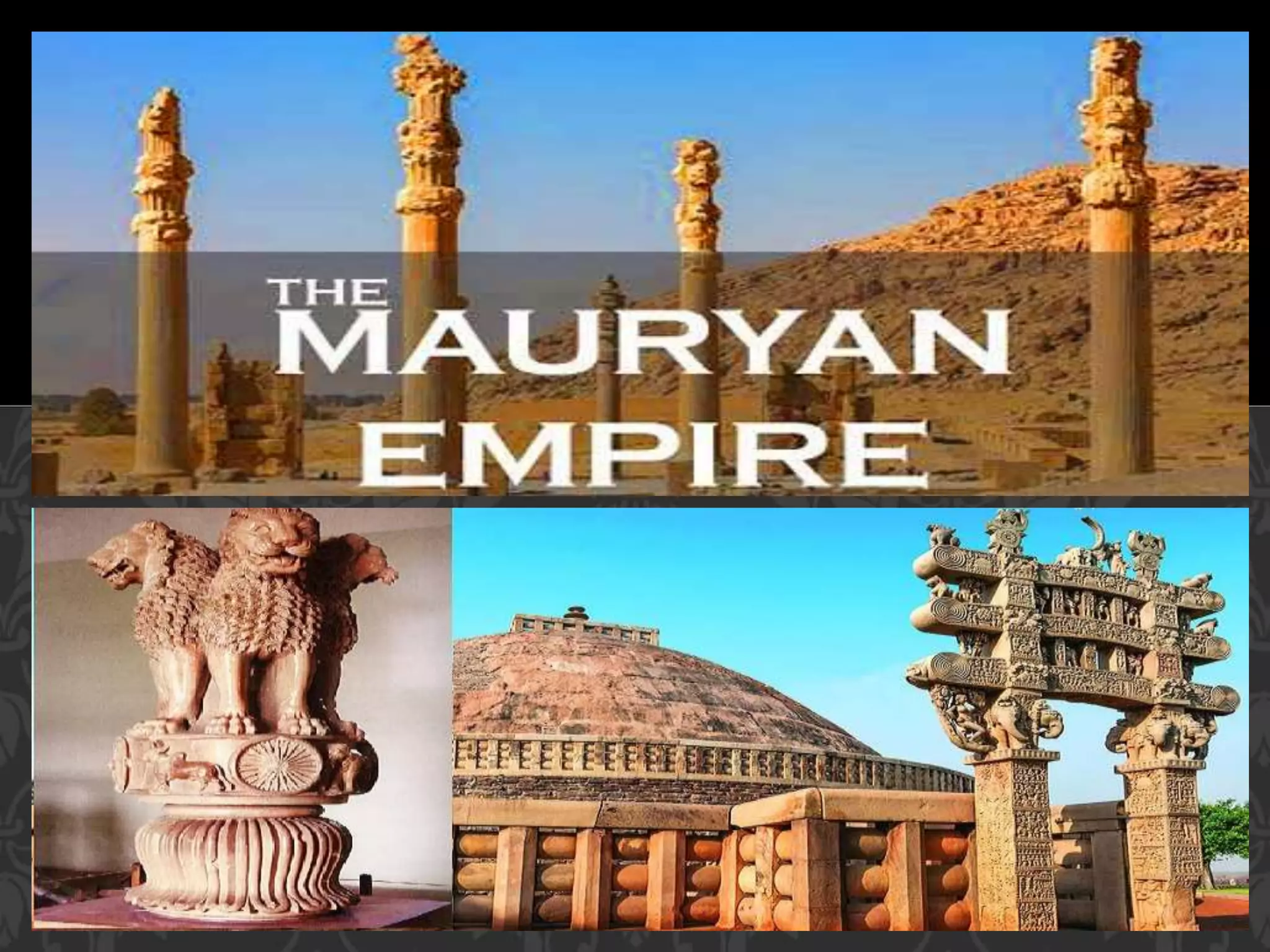
Ashoka communicated the principles of Dhamma through inscriptions on rocks and pillars spread across his vast empire. These edicts were meant for common people and officials alike, making Ashoka one of the earliest rulers to use state authority to promote ethical behaviour. In the context of the UPSC Ethics Paper (GS-IV), Ashoka’s Dhamma provides valuable insights into ethical leadership, moral governance, social ethics, and public welfare.
Historical Background of Ashoka’s Dhamma
Ashoka ascended the Mauryan throne after a period of intense power struggles. In the early years of his reign, he followed the traditional path of imperial expansion through warfare. The Kalinga War marked a turning point in his life. The immense destruction, loss of life, and human suffering caused by the war deeply disturbed him.
This experience led Ashoka to reflect on the consequences of violence and conquest. He renounced aggressive warfare and adopted a policy based on moral persuasion rather than physical force. It was in this context that the idea of Dhamma emerged as a guiding principle for both personal conduct and state policy. Ashoka believed that true victory lay not in territorial expansion but in winning the hearts of people through ethical behaviour.
Nature and Meaning of Dhamma
Ashoka’s Dhamma was not identical with Buddhism, even though Ashoka personally followed Buddhist teachings. Dhamma did not promote any particular religious belief or ritual. Instead, it focused on universal moral values that could be accepted by people of all faiths and communities.
Dhamma aimed to create a society based on harmony, mutual respect, and ethical living. It addressed the moral responsibilities of individuals, rulers, officials, and social groups. In this sense, Dhamma can be seen as an early form of applied ethics in governance.
Core Principles of Ashoka’s Dhamma
1. Non-Violence (Ahimsa)
Non-violence formed the cornerstone of Ashoka’s Dhamma. He condemned unnecessary violence and discouraged the killing of both humans and animals. While he did not completely abolish punishment or state authority, he stressed restraint and compassion in the use of power.
Ashoka also took steps to limit animal sacrifice and promoted kindness towards animals. This principle highlights respect for life and reflects an early concern for ethical treatment of all living beings, a value that resonates strongly with modern ethical and environmental thought.
2. Tolerance and Respect for All Religions
Ashoka’s empire was home to diverse religious traditions. To maintain social harmony, Dhamma emphasised tolerance, mutual respect, and understanding among different religious sects. Ashoka advised people not to praise their own religion while condemning others, as such behaviour only increased conflict.
This principle promoted peaceful coexistence and reduced social tensions. It reflects an early form of ethical pluralism, where diversity is respected, and dialogue is encouraged.
3. Compassion and Kindness
Dhamma encouraged compassion towards all sections of society, including the poor, servants, prisoners, elders, and dependents. Ashoka emphasised humane treatment and kindness in everyday interactions.
He believed that compassion strengthened social bonds and created a more just and stable society. This value aligns closely with modern ideas of social justice, empathy, and inclusive governance.
4. Respect for Parents, Elders, and Teachers
Ashoka’s Dhamma stressed obedience to parents, respect for elders, and reverence for teachers. These values were seen as essential for maintaining social order and transmitting moral knowledge across generations.
By reinforcing these ethical duties, Dhamma sought to strengthen family and social institutions, which formed the foundation of society.
5. Ethical Personal Conduct
Ashoka emphasised virtues such as truthfulness, self-control, purity of thought and action, gratitude, and humility. According to him, the moral progress of society depended on the moral conduct of individuals.
This focus on individual ethics highlights the belief that good governance begins with good character, a principle that remains relevant for public servants and leaders today.
6. Criticism of Empty Ritualism
Ashoka discouraged excessive rituals and ceremonies that lacked moral substance. He argued that rituals were meaningless unless accompanied by ethical behaviour and compassion.
This emphasis shifted attention from external practices to internal moral values, reinforcing the idea that ethics should guide religious and social life.
Propagation of Dhamma through Edicts
Ashoka used rock and pillar edicts as a means of communicating his ethical ideas directly to the people. These inscriptions were written in simple language and placed in public locations so that they could be easily understood.
Rock Edicts
The rock edicts explain the principles of Dhamma, Ashoka’s concern for public welfare, and his rejection of war. They encourage moral behaviour, tolerance, and compassion among people.
Pillar Edicts
The pillar edicts focus more on ethical conduct, non-violence, and duties of both rulers and subjects. They reflect a mature and refined understanding of Dhamma and its application in governance.
The use of inscriptions made ethics a public and transparent aspect of state policy, which was revolutionary for its time.
Dhamma and Governance
Ashoka’s Dhamma was deeply connected with governance. He believed that a ruler’s legitimacy rested on ethical conduct and concern for public welfare.
1. Dhamma Mahamatras
Ashoka appointed special officials known as Dhamma Mahamatras to promote ethical values, resolve social conflicts, and look after the welfare of various groups. These officials worked to spread moral teachings and ensure harmony among communities.
2. Welfare Measures
Ethical governance under Ashoka included practical measures such as building roads, planting trees, digging wells, constructing rest houses, and providing medical facilities for humans and animals.
These actions reflected the idea that the state has a moral responsibility to ensure the well-being of its people.
3. Humane Administration
Ashoka encouraged officials to act with kindness and fairness. He introduced reforms to reduce harsh punishments and allowed for mercy and reconsideration in judicial matters.
This reflects the ethical principle that justice should be tempered with compassion.
Relevance of Ashoka’s Dhamma for UPSC Ethics Paper (GS-IV)
1. Ethical Leadership
Ashoka’s transformation after the Kalinga War is a classic example of ethical leadership. He demonstrated moral courage by acknowledging the suffering caused by war and changing his policies accordingly.
This example is useful for illustrating concepts such as moral responsibility, self-reflection, and value-based leadership in the Ethics paper.
2. Governance Based on Ethics
Ashoka’s belief that governance must be rooted in ethics rather than fear or force aligns with modern ideas of good governance. His emphasis on welfare, justice, and compassion reflects ethical dimensions of public administration.
3. Social Harmony and Tolerance
The principle of tolerance towards all religions and communities is highly relevant in today’s pluralistic societies. Ashoka’s Dhamma offers guidance on managing diversity through respect and dialogue rather than coercion.
4. Compassion and Public Welfare
Ashoka’s concern for the poor, prisoners, and vulnerable sections highlights the ethical principle of care and empathy. These values are central to contemporary discussions on inclusive development and social justice.
5. Personal Integrity and Conduct
The emphasis on truthfulness, self-discipline, and humility provides an ethical framework for personal and professional conduct. These virtues are especially relevant for civil servants, who are expected to uphold integrity and accountability.
Limitations of Dhamma
While Ashoka’s Dhamma was visionary, it had certain limitations:
- It relied largely on moral persuasion rather than institutional enforcement.
- Its impact may have varied across regions and social groups.
- Some sections of society may not have fully accepted its principles.
Despite these limitations, Dhamma remains significant as an early attempt to moralize state power.
Conclusion
Ashoka’s Dhamma represents a remarkable effort to integrate ethics, governance, and social harmony. It promoted universal moral values such as non-violence, tolerance, compassion, and welfare, transcending religious and social divisions. By using state authority to encourage ethical behaviour, Ashoka set an early example of value-based leadership.
For the UPSC Ethics Paper, Ashoka’s Dhamma offers timeless lessons on ethical leadership, moral governance, social ethics, and personal integrity. Its relevance extends beyond history, guiding contemporary administrators and societies striving to balance power with compassion and authority with responsibility.
Subscribe to our Youtube Channel for more Valuable Content – TheStudyias
Download the App to Subscribe to our Courses – Thestudyias
The Source’s Authority and Ownership of the Article is Claimed By THE STUDY IAS BY MANIKANT SINGH