Plant-Based Meat
13 Jun 2026
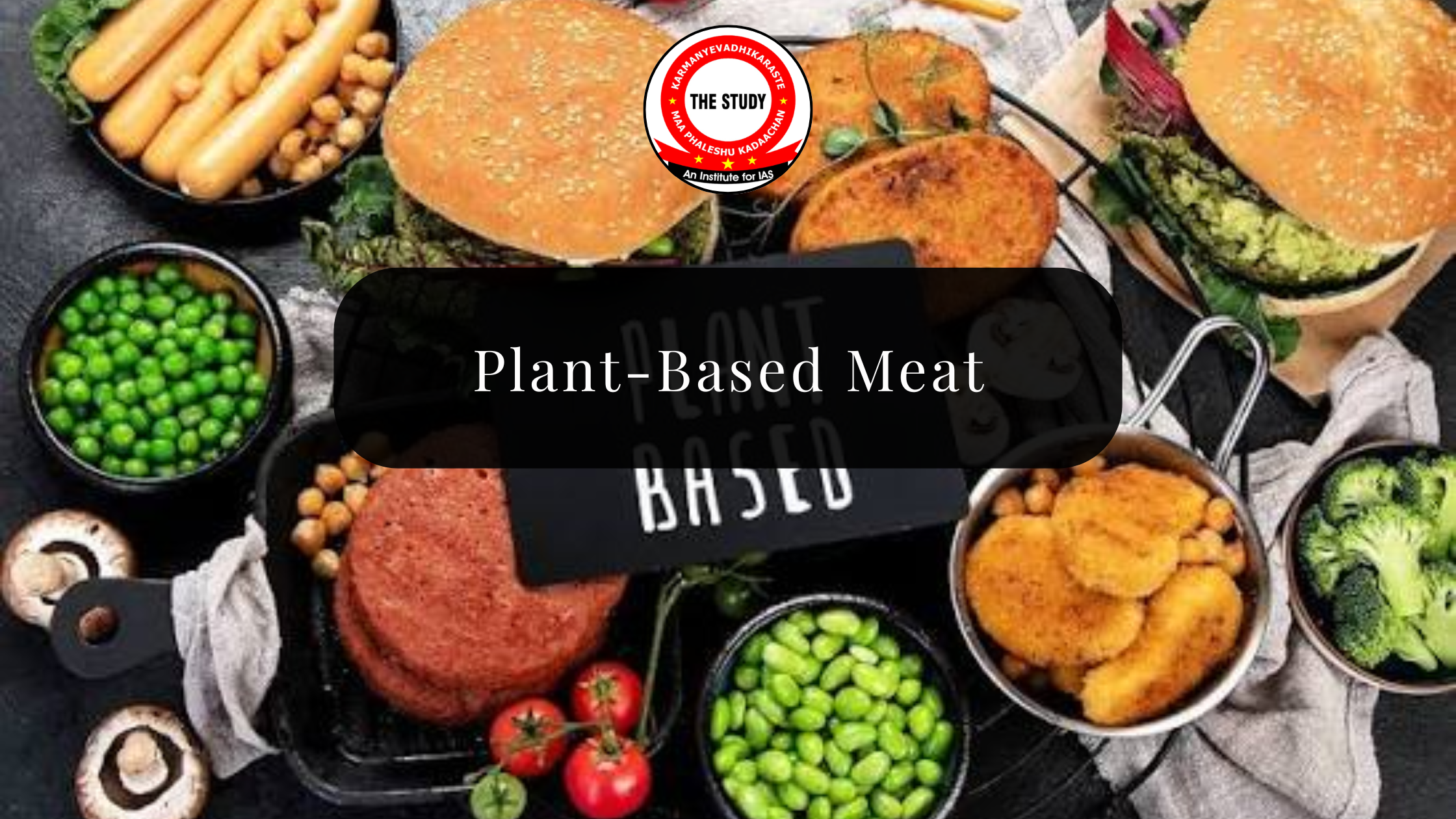
Plant-Based Meat: A Sustainable Alternative Protein for Food Security and Climate Action
Plant-Based Meat Context
Plant-based meat has emerged as an important food innovation at a time when the world is facing rising population pressure, climate change, resource depletion and growing demand for protein-rich diets. With the global population expected to reach nearly 10 billion by 2050, the traditional meat-heavy food system may increase pressure on land, water, energy and public health.
Plant-based meat, also known as meat analogues or imitation meat, offers a practical alternative. It is designed to provide the taste, texture and functionality of conventional meat while using plant-based ingredients. This makes it relevant for food security, environmental protection, health-conscious consumers and sustainable development.
Plant-Based Meat Meaning
Plant-based meat refers to food products made mainly from plant-based ingredients but designed to resemble animal meat in taste, texture, appearance and cooking behaviour. These products are also called meat substitutes, meat analogues, imitation meat or alternative protein products.
The idea is not only to replace meat but to provide a familiar food experience with lower environmental pressure. Plant-based meat can be made from soy, peas, wheat, legumes, jackfruit, breadfruit, mushrooms and other protein-rich biomass. Traditional foods such as tofu, tempeh and fermented plant-based products also fall within the wider alternative protein ecosystem.
Plant-Based Meat and Alternative Protein
Plant-based meat is closely linked with the concept of alternative protein. Alternative protein focuses on meeting protein requirements without depending only on conventional animal meat. It includes plant-based protein, fermentation-based protein, mycoprotein and other emerging food technologies.
The major advantage of plant-based meat is that it does not demand a complete shift to strict vegetarian or vegan diets. It mainly targets flexitarians, or consumers who prefer plant-based food but may occasionally eat meat. This makes plant-based meat more practical for large-scale dietary transition.
Plant-Based Meat Health Benefits
Plant-based meat can offer several health-related benefits when it is properly formulated and consumed as part of a balanced diet. High consumption of red and processed meat has been associated with lifestyle diseases and public health risks. Plant-based meat alternatives may help reduce such dependence by offering protein-rich substitutes.
Many plant-based meat alternatives contain higher fibre and lower saturated fat compared to conventional meat. Some products also provide comparable protein content with lower energy and fat levels. This can support weight management, heart health and better dietary diversity.
However, not all plant-based meat products are automatically healthy. Some highly processed products may contain high sodium, additives or lower micronutrient value. Therefore, consumer awareness, proper labelling and balanced consumption are important.
Plant-Based Meat Environmental Benefits
Plant-based meat is significant because it can reduce the environmental burden of food production. Conventional meat production requires large amounts of land, water, feed and energy. It also contributes to greenhouse gas emissions, biodiversity loss and pollution.
Plant-based meat alternatives generally have a lower environmental footprint. Legume-based alternatives are especially useful because legumes can fix nitrogen naturally and may require less nitrogen fertiliser. This can reduce emissions such as nitrous oxide and ammonia.
Replacing part of conventional meat consumption with plant-based meat can support climate mitigation, reduce pressure on ecosystems and improve sustainability in the food system. This makes plant-based meat relevant for climate action, sustainable agriculture and responsible consumption.
Plant-Based Meat and Food Security
Plant-based meat can play an important role in future food security. As population, urbanisation and income levels rise, demand for protein-rich food will continue to increase. Meeting this demand only through conventional animal meat may put pressure on natural resources.
Plant-based meat provides another pathway. It can use locally available protein-rich biomass and convert it into accessible food products. This can help countries diversify protein sources, reduce import dependence and create more resilient food systems.
For India, plant-based meat can support food innovation, agri-processing, startups, local livelihoods and sustainable nutrition. It can also help in building climate-resilient food supply chains.
Plant-Based Meat and Consumer Acceptance
Consumer acceptance is central to the success of plant-based meat. Many people do not shift to vegetarian diets because they are attached to the taste, texture and cooking experience of meat. Plant-based meat solves this behavioural challenge by offering a familiar eating experience.
Meat alternatives that closely mimic the taste, texture and appearance of meat are more likely to reduce demand for conventional meat. This is why food technology, flavour development and texture innovation are important. If plant-based meat feels satisfying to consumers, it has a better chance of becoming mainstream.
Flexitarian consumers are especially important for this market. They are not strict vegetarians, but they are willing to reduce meat consumption for health, environmental or ethical reasons.
Plant-Based Meat Production Measures
Plant-Based Meat from Local Protein Sources
One important measure is the use of locally available protein-rich biomass. Products made from soy, legumes, breadfruit, jackfruit, mushrooms and fermented plant materials can make plant-based meat more affordable and accessible. Local sourcing also reduces supply chain pressure and supports regional food systems.
Plant-Based Meat and Sustainable Packaging
Sustainable packaging can improve the appeal of plant-based meat among environmentally conscious consumers. Eco-friendly packaging strengthens the sustainability message and can influence consumer choice. For flexitarian buyers, packaging can act as a strong behavioural nudge.
Plant-Based Meat and Food Technology
Technological innovation is critical for improving plant-based meat. Better food processing, protein structuring, fermentation, flavour science and product formulation can help plant-based meat match the taste and texture of conventional meat. This is essential for wider consumer acceptance.
Plant-Based Meat and Market Growth
Rising awareness about climate change, health and sustainability is increasing demand for meat alternatives. This creates market opportunities for food companies, startups, farmers and agri-processing units. As the alternative protein sector grows, plant-based meat can become an important part of the global food economy.
Plant-Based Meat Challenges
Plant-based meat still faces several challenges. Taste and texture must improve further to match consumer expectations. Many products are more expensive than conventional food options, which limits mass adoption. Some products are highly processed and may contain high sodium or additives.
Another challenge is awareness. Consumers need clear information about ingredients, nutrition, sustainability and health value. Without trust and transparency, plant-based meat may remain limited to urban premium markets.
Plant-Based Meat in India
India has strong potential for plant-based meat because of its agricultural diversity, vegetarian food traditions, protein-rich crops and growing startup ecosystem. Ingredients such as soy, peas, millets, pulses, jackfruit and mushrooms can support local alternative protein production.
Plant-based meat in India can support Make in India, food processing, startup innovation, nutrition security and climate-friendly consumption. It can also create new opportunities for farmers, food technologists, retailers and export-oriented businesses.
Plant-Based Meat Key Takeaways
- Plant-based meat is a meat substitute made mainly from plant-based ingredients.
- It is also called meat analogue, imitation meat or alternative protein product.
- It mimics the taste, texture and functionality of conventional meat.
- It is useful for flexitarian consumers who want to reduce meat consumption without giving up familiar food habits.
- It can offer health benefits such as higher fibre and lower saturated fat, depending on product quality.
- It has a lower environmental footprint compared to conventional meat production.
- It supports food security, climate action, sustainable agriculture and responsible consumption.
- India has strong potential in plant-based meat due to local protein crops, food processing capacity and startup innovation.
Conclusion
Plant-based meat is not just a food trend. It is part of a larger transition towards sustainable, secure and climate-resilient food systems. As population growth and environmental pressure increase, alternative protein sources can help reduce dependence on conventional meat while maintaining consumer choice.
However, plant-based meat must be affordable, nutritious, transparent and culturally acceptable. Its success will depend on better technology, local sourcing, consumer awareness, regulatory support and market innovation. If developed carefully, plant-based meat can become an important tool for health, sustainability, food security and climate action.
Plant-Based Meat FAQs
What is plant-based meat?
Plant-based meat is a food product made mainly from plant-based ingredients and designed to mimic the taste, texture and functionality of conventional meat.
What are meat analogues?
Meat analogues are plant-based or alternative protein products that imitate animal meat in appearance, flavour, texture and cooking use.
Is plant-based meat healthy?
Plant-based meat can be healthier than conventional meat if it has lower saturated fat, higher fibre and good protein quality. However, some products may be highly processed or high in sodium, so label reading is important.
Why is plant-based meat important for the environment?
Plant-based meat generally requires fewer natural resources and produces lower greenhouse gas emissions compared to conventional meat. It can help reduce pressure on land, water and ecosystems.
Who consumes plant-based meat?
Plant-based meat is popular among flexitarians, health-conscious consumers, sustainability-focused buyers, vegetarians, vegans and people trying to reduce meat consumption.
How is plant-based meat relevant for UPSC?
Plant-based meat is relevant for UPSC topics such as food security, climate change, sustainable agriculture, health, biotechnology, food processing, startups and responsible consumption.
What are examples of plant-based meat or alternative protein products?
Examples include tofu, tempeh, soy-based meat, pea protein products, jackfruit-based meat, mushroom-based meat and fermented plant-based foods.
Related posts :
- Majoritarianism vs Constitutionalism
- India-Bangladesh Ties
- Nordic Countries and India
- Tackling Ocean Plastic Pollution
- India-Bhutan Ties
- India-UAE Ties
- India-Netherlands Ties
- Captagon: The “Jihadi Drug”
- Bioenergy Systems
- Transforming the Brahmaputra
- India–Africa Forum Summit
- India–US Defence Ties
Subscribe to our YouTube Channel for more Valuable Content – TheStudyias
Download the App to Subscribe to our Courses –Thestudyias
The Source’s Authority and Ownership of the Article is Claimed By THE STUDY IAS BY MANIKANT SINGH
Comments (0)
Leave a Comment